A sweeping set of amendments to key International Maritime Organization (IMO) treaties and codes came into force on January 1, 2026, introducing new safety measures, environmental protections, and training requirements for seafarers globally. The changes span multiple conventions, including SOLAS, MARPOL, STCW, and the Polar Code, reflecting the IMO’s ongoing efforts to modernize regulations in line with evolving industry needs.
Among the most significant updates are amendments to the Seafarers’ Training, Certification and Watchkeeping Code (STCW Code), which now require mandatory training to prevent and respond to bullying, harassment, and sexual assault on board ships. The revised standards aim to equip seafarers with practical knowledge on recognizing, preventing, and reporting incidents, reinforcing personal safety and social responsibility in maritime operations. Similar updates have been introduced under the STCW-F Code, targeting fishing vessel personnel and establishing minimum competency levels for technical and safety training.
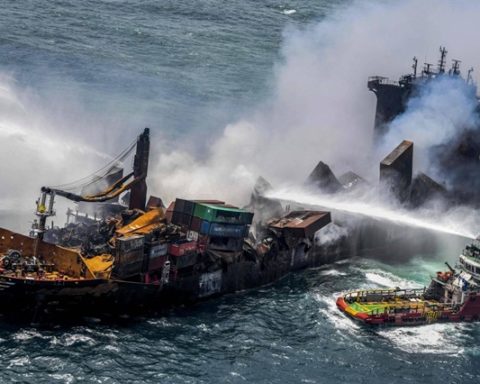
Another major change involves mandatory reporting of lost containers under MARPOL and SOLAS conventions. Ships losing containers overboard must now report precise details, including the number and position of lost units, to nearby vessels, the coastal state, and the flag state, which in turn notifies the IMO. These measures address hazards to navigation, human safety, and the marine environment, reflecting growing global concern over container losses.
Ship safety and equipment standards have also been strengthened. New SOLAS regulations cover onboard lifting appliances, anchor handling winches, and the proper bunkering of oil fuel with flashpoint requirements. Amendments to the Polar Code extend navigation and voyage planning safety standards to certain fishing vessels, pleasure yachts, and cargo ships operating in polar waters. For ships constructed after January 1, 2026, electronic inclinometers are now required on containerships and bulk carriers to monitor roll motion, and fire safety measures for vehicle, special category, and ro-ro spaces have been enhanced with mandatory detection, alarm, and monitoring systems.
Environmental protection has also been reinforced. Fire extinguishing systems containing perfluorooctane sulfonic acid (PFOS) are now prohibited on new ships, minimizing the impact of harmful chemicals on crews and the environment. Updates to the International Maritime Dangerous Goods Code, Grain Code, IGF Code, and IGC Code further enhance operational safety and regulatory clarity for ships transporting hazardous goods, liquefied gases, or grain in bulk.
The amendments mark a major step in aligning maritime regulations with contemporary safety, environmental, and human welfare standards. Industry experts say the changes will require widespread adoption and monitoring but are expected to significantly reduce risks, improve crew welfare, and reinforce the credibility of global shipping standards.
With the shipping industry facing growing pressures from climate change, rising trade volumes, and technological advancements, the 2026 IMO amendments represent a coordinated effort to strengthen international maritime governance while safeguarding lives, vessels, and the environment at sea.