Somali pirates have hijacked an Iranian fishing vessel carrying 21 Iranian fishermen and two Somali security guards in waters off the northeastern coast of Somalia, according to the European Union’s Maritime Security Centre Indian Ocean (MSCIO). The incident has renewed concerns about maritime security in a region that has experienced a growing number of pirate attacks in recent months.
The vessel was seized on Thursday in waters between the coastal towns of Bandar Bayla and Hafun, according to a maritime security officer with the Puntland Maritime Police Force. The officer said that 12 pirates had boarded and taken control of the Iranian vessel. The official spoke anonymously because he was not authorised to discuss the incident publicly.
The safety and whereabouts of all 23 people aboard remain unknown, according to an MSCIO alert issued on Saturday. Authorities have not provided further details about the condition of the crew or whether any communication has been established with the hijacked vessel.
In an updated security warning, MSCIO said the pirates could potentially use the seized fishing vessel as a mother ship to support additional attacks against commercial shipping. Such vessels can provide pirates with a platform to operate farther from the coastline, increasing the potential threat to merchant ships and other maritime traffic passing through the region.
The European Union’s naval Operation Atalanta is investigating the hijacking. Meanwhile, MSCIO has urged vessels operating in the surrounding waters to maintain heightened vigilance, monitor potential security threats and report any suspicious maritime activity to the relevant authorities.
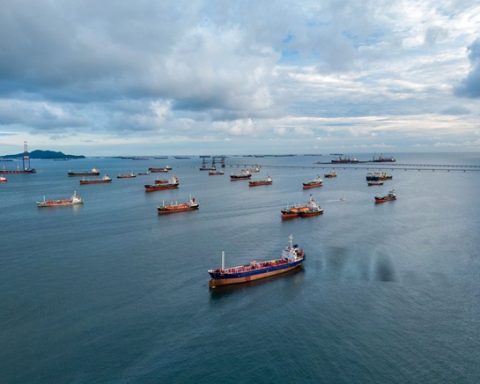
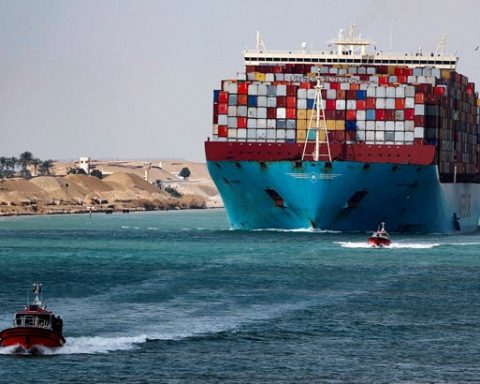
The incident comes amid renewed pirate activity across the Gulf of Aden and the western Indian Ocean, raising concerns among international shipping operators, regional governments and maritime security organisations. Somalia’s extensive coastline and its proximity to major international shipping routes make the surrounding waters particularly important for global trade and commercial transportation.
By August, pirates had hijacked six commercial vessels since April, with some attacks taking place hundreds of kilometres from Somalia’s coastline. The incidents have demonstrated the geographical reach of the renewed piracy threat and raised concerns about the vulnerability of vessels operating beyond traditional coastal security patrol areas.
Among the vessels previously seized was the oil products tanker Sibu 1, which was captured approximately 252 kilometres, or 136 nautical miles, east of al-Mukalla in Yemen. The seizure highlighted the growing operational range of pirate groups operating in the western Indian Ocean and surrounding maritime corridors.
In a separate incident in September, Puntland authorities reported that pirates had killed five crew members aboard the tanker MT Honour 25 before security forces recovered the vessel. The tanker had reportedly been held since April, and authorities subsequently announced the detention of 16 suspected pirates.
Somali piracy had declined significantly over the past decade following increased international naval patrols, improved maritime surveillance and stronger cooperation between regional and international security forces. These measures helped reduce attacks and improve the safety of commercial shipping along important international trade routes.
However, the latest hijackings indicate that piracy remains a serious security challenge in the region. The seizure of the Iranian fishing vessel, in particular, highlights the risks facing smaller fishing boats as well as commercial shipping operators. The potential use of hijacked vessels as platforms for further attacks has also increased concerns about the security of maritime traffic across the Gulf of Aden and the western Indian Ocean.