


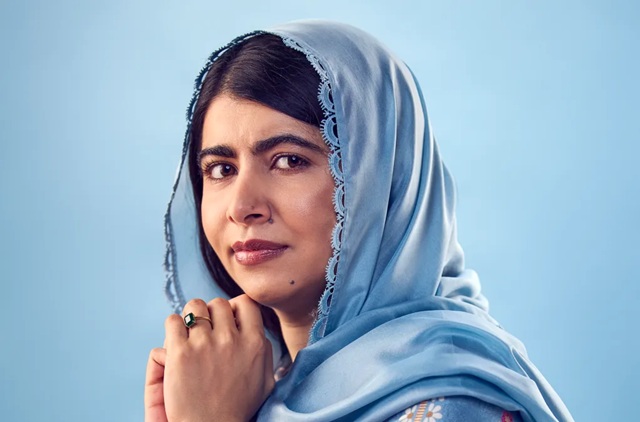
Thirteen years after surviving a Taliban assassination attempt at the age of fifteen, Malala Yousafzai is speaking openly about the untold struggles behind her public image. In her forthcoming memoir, Finding My Way, the 28-year-old Nobel Peace Prize winner shares how her years at Oxford University brought both freedom and a reckoning with trauma she had long suppressed. “I don’t feel any place is safe anymore,” she admits, reflecting on the dangers that have haunted her since the attack in Pakistan nearly ended her life.
Malala’s life has been mythologized since the shooting, portraying her as an unshakable symbol of bravery. Yet at Oxford, she discovered that survival did not erase vulnerability. She experienced panic attacks, flashbacks, and depression, consequences of untreated PTSD that surfaced during her attempts to live a normal student life. She experimented with social freedoms, secretly fell in love, and confronted her own limits while balancing the expectations placed on her as the global face of girls’ education. These years forced her to grow beyond the brave persona the world remembered from her teenage years.
The “bong incident” in her second year marked a turning point. A marijuana-induced flashback triggered vivid memories of the Taliban attack, forcing Malala to confront trauma she had long buried. This moment of vulnerability reshaped her understanding of courage. “Standing up when you feel broken apart, when you feel so vulnerable, is maybe the true definition of bravery,” she told The Times UK. It was also during this time that she developed a deep, secret romance with Asser Malik, her future husband, navigating cultural expectations, parental pressures, and the fear of public scrutiny.
Marriage, Malala says, became a source of safety and emotional support. The private wedding in her family garden in Birmingham in 2021 allowed her to reclaim intimacy and companionship after years of living under the shadow of global attention. Malik, who relocated to the UK, became her confidant and, as she puts it, her “free 24/7 therapy space,” providing a grounding presence as she rebuilt her life.
Even as she cherishes these personal freedoms, Malala’s work remains perilous. The Taliban’s return to power in Afghanistan and the continued threat to girls’ education worldwide are constant reminders that her mission is far from over. Through the Malala Fund and new initiatives, she continues to advocate for young women while navigating the lingering risks to her own life. Yet in sharing her story candidly, Malala offers a rare insight into the human behind the icon, showing a woman learning to balance fear and courage, love and duty, and the complex demands of being both a global symbol and an ordinary human being.









