In the months leading up to the Gaza ceasefire deal, Marwan Barghouti, the imprisoned Palestinian leader often dubbed the “Palestinian Mandela,” received a confrontational visit in his cell from Israel’s far-right security minister, Itamar Ben-Gvir. According to fellow inmates released as part of the ceasefire exchange, Ben-Gvir taunted Barghouti, saying: “You deserve to be executed in the electric chair.” Barghouti, 66, replied in fluent Hebrew: “I see you have more grey hairs now. I expected more maturity.”
The exchanges, which Ben-Gvir omitted from his social media posts, highlight the ongoing tensions surrounding Barghouti, who consistently ranks as the most popular Palestinian political figure. The Times UK reports that Barghouti has repeatedly appeared at the top of prisoner lists submitted by Hamas for potential release, yet Israel has refused to free him despite U.S. pressure.
American negotiators, including Steve Witkoff, reportedly raised the issue directly with Israeli Prime Minister Binyamin Netanyahu, who declined to authorize Barghouti’s release, according to Barghouti’s family. The Palestinian leader has been imprisoned since 2002, convicted by an Israeli military court in 2004 on terror-related charges, while being acquitted of 21 counts of murder due to lack of evidence.
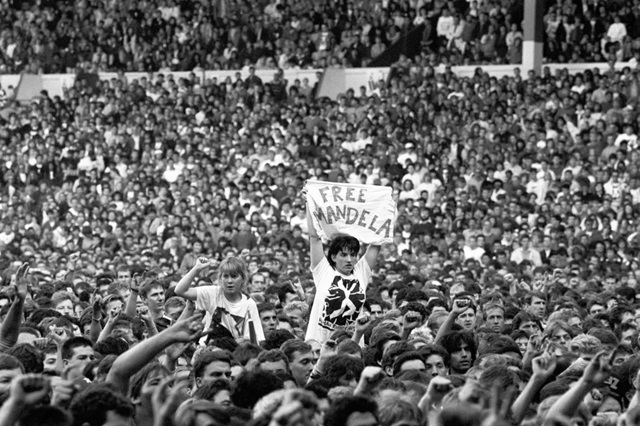
Fearing for his health, Barghouti’s family has launched renewed efforts for a global campaign advocating his release, drawing parallels to Nelson Mandela’s journey from prisoner to post-apartheid leader. Aarab Barghouti, his son, told The Times UK: “Mandela was seen by his enemies as a terrorist but he led South Africa to peace and freedom.”
Barghouti’s alleged mistreatment in prison has also drawn international attention. Four former inmates report that he was beaten unconscious during a September 14 prison transfer, suffering multiple rib fractures and receiving minimal medical care. In response, Ben-Gvir defended the prison service, stating, “We are proud that his conditions have changed during my tenure,” while Israel’s prison service emphasized its operations comply with legal standards.
Barghouti’s continued imprisonment is widely seen as politically motivated, given his popularity among Palestinians in both the West Bank and Gaza, his support for a two-state solution, and his potential to challenge Palestinian Authority President Mahmoud Abbas, who has not faced elections in nearly two decades. Mustafa Barghouti, a fellow Palestinian leader, criticised both the PA and Israel for obstructing democratic processes, suggesting that free elections could have prevented the violence that erupted in October 2023.