The Collective for Social Media Declaration (CSMD) has raised concerns over the proposed Chartered Institute of Media Professionals of Sri Lanka Bill, gazetted by the government in June 2026, warning that the legislation could significantly affect digital civic space, freedom of expression, and independent media activity in the country.
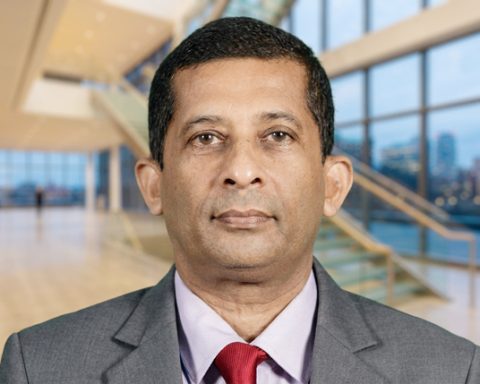
In a statement issued by its Convener, Sampath Samarakoon, the collective said the bill presents itself as a mechanism to introduce and maintain professional standards within the media sector but could, in practice, become a tool that restricts independent journalism and professional criticism. According to CSMD, the proposed law creates avenues for political influence over a body that would regulate media professionals and digital content creators.
The organization pointed to provisions in Clause 5(4) of the bill concerning the appointment of an Interim Council during the first year of operation. CSMD stated that the council would be appointed with the involvement of the minister responsible for the subject and the ministry secretary, giving the executive branch influence over the body tasked with establishing the criteria for selecting members of the permanent governing council.
CSMD identified what it described as three major threats arising from the legislation. The first concerns the bill’s definition of “media professional,” which the collective said extends beyond traditional journalists to include online content creators and editors operating on platforms such as YouTube, Facebook, and TikTok. According to the organization, this would bring independent digital creators within a formal regulatory framework overseen by the proposed institution.
The second concern relates to disciplinary powers granted to the governing council. CSMD said the bill authorizes the council to establish a professional code of ethics and exercise disciplinary control over members. The collective argued that the bill does not specifically define “professional misconduct,” leaving such determinations to rules formulated later by the council. According to CSMD, this could create the possibility for content critical of the government or public officials to be categorized as unethical conduct.
The third concern focuses on what the collective described as a “triple legal threat” involving the proposed bill, the Online Safety Act (OSA), and the proposed Protection of the State from Terrorism Act (PSTA). CSMD argued that disciplinary action under the media bill could intersect with provisions of the other laws, creating additional legal consequences for digital activists and content creators.
To illustrate its concerns, the organization presented a hypothetical scenario involving a social media activist exposing alleged government corruption. According to CSMD, such an individual could face the revocation of professional registration under the proposed media law, while content could subsequently be targeted under the Online Safety Act. The collective further claimed that if public reactions to such content were interpreted as anti-state activity, additional legal action could become possible should the proposed PSTA become law.
CSMD stated that the combined effect of these measures could threaten freedoms protected under Article 14(1)(a) of Sri Lanka’s Constitution and contribute to self-censorship among journalists, media workers, and social media activists.
The collective called on the National People’s Power government to withdraw the proposed legislation and urged civil society organizations, media professionals, and citizens to unite in defense of media freedom and democratic rights. The statement was issued on behalf of the Collective for Social Media Declaration, a coalition of civil society organizations, citizen activists, media platforms, and subject experts focused on promoting human rights-based and socially responsible use of social media.