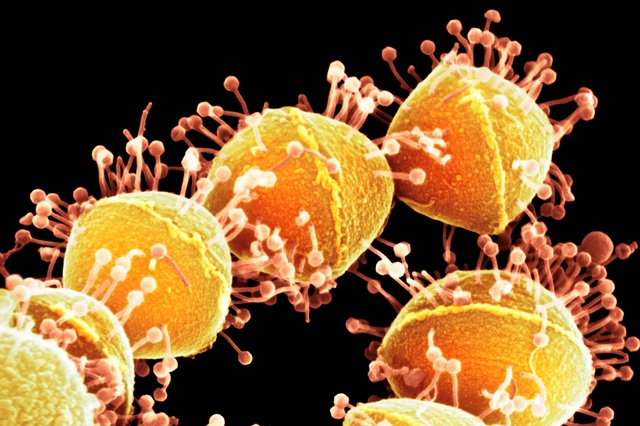
From the depths of the oceans to the cells in our bodies, an unseen war has been raging for billions of years — between bacteria and the viruses that attack them. This relentless arms race has not only shaped life on Earth but also gifted humanity with some of its most powerful scientific tools, including CRISPR–Cas gene editing. Now, researchers are diving even deeper into the microbial battlefield, unlocking new immune systems and defence mechanisms that could revolutionize healthcare, biotechnology, and our understanding of immunity.
In a sweeping investigation detailed in Nature, scientists describe how the constant clash between bacteria and bacteriophages — viruses that prey on them — continues to yield discoveries with vast potential. The article traces the origins of CRISPR–Cas and explores the wave of breakthroughs that have followed its debut. What once seemed a biological curiosity is now recognized as just one chapter in an evolutionary epic teeming with untapped potential.
“We’re seeing a treasure trove of molecular tools emerge,” says Eugene Koonin, an evolutionary biologist at the National Library of Medicine in Maryland. “Some systems could rival CRISPR — or do things CRISPR cannot.”
Thanks to advances in computational biology and genome sequencing, scientists have uncovered a diverse array of bacterial and archaeal immune systems. These mechanisms — which range from DNA-chomping enzymes to intricate self-destruct systems that sacrifice infected cells — are not only helping scientists fight disease but may also inspire next-generation diagnostics, therapeutics, and biotechnological applications.
CRISPR–Cas, developed in the early 2010s, was inspired by how bacteria “remember” viral attackers by storing snippets of their DNA. But recent studies, including many published in Nature, reveal that this defence is only one of many evolved by microbes under viral siege.
Systems such as CBASS, gasdermins, and retrons mimic immune responses seen in humans, plants, and other complex organisms. CBASS, for instance, uses signalling molecules that mirror those in the human immune pathway known as STING, while gasdermins and viperins — once thought unique to eukaryotes — have now been found in bacteria, performing similar roles.
“The evolutionary parallels are shocking,” says Aude Bernheim, a microbiologist at the Pasteur Institute in Paris. “These systems may be billions of years old, and yet they operate with uncanny similarity to those in humans.”
Microbiologists like Rotem Sorek and Philip Kranzusch have demonstrated how these ancient defence systems can be engineered into powerful new lab tools. The Argonaute system, for example, offers a simpler alternative to CRISPR, needing fewer components and skipping the PAM sequence required by Cas proteins. Its potential for precise genome targeting, diagnostics, and gene silencing is already being explored.
Another innovation, TIGR–Tas, recently described by Feng Zhang’s team at the Broad Institute, is a compact, PAM-free gene-editing system that could be better suited for therapeutic delivery than CRISPR.
Then there are retrons, molecular machines that manufacture DNA inside cells — perfect for making gene-editing templates. Researchers like Seth Shipman are adapting retrons to enhance CRISPR’s precision and efficiency in organisms ranging from bacteria to human cells.
But viruses are not passive targets. They, too, have evolved strategies to bypass microbial immunity. Nature highlights the rise of anti-CRISPR and anti-CBASS proteins, which phages use to disable bacterial defences. Scientists are now flipping the script — using these viral counter-defences to control and fine-tune gene-editing tools.
In therapeutic settings, companies like Acrigen Biosciences are developing CRISPR off-switches using anti-CRISPR proteins, aiming to reduce off-target effects in gene therapies. Meanwhile, North Carolina-based Locus Biosciences has engineered bacteriophages armed with CRISPR systems to selectively kill drug-resistant bacteria in clinical trials.
These discoveries are more than molecular marvels — they’re blueprints for tomorrow’s antibiotics, antivirals, and immune modulators. Tools born from the microbial arms race may help us combat superbugs, boost vaccine responses, or treat autoimmune diseases by mimicking or modulating our own immune systems.
“The bacteria-phage conflict is a gold mine,” says Joseph Bondy-Denomy, a microbiologist at UCSF. “We’ve only scratched the surface.”
With researchers now using AI to mine genomes for hidden defence systems, the future is poised for more surprises. As Bernheim notes, “There are thousands of undiscovered systems out there. Each one could be a breakthrough waiting to happen.”
Just as CRISPR reshaped genetics, the next era of biotechnology might again be written by nature — this time, from the microbial war still quietly shaping life beneath our feet.