


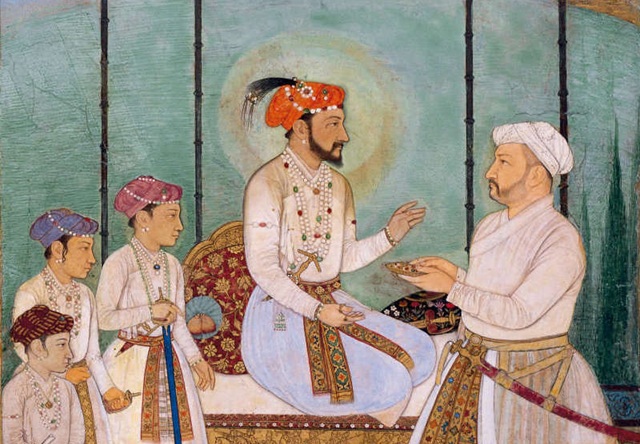
In a controversial move reflecting India’s ongoing historical and cultural debates, members of Prime Minister Narendra Modi’s ruling Bharatiya Janata Party (BJP) have demanded the demolition of the tomb of Mughal emperor Aurangzeb, labeling him a “thief and looter.” The call, made by BJP Member of Parliament Udayanraje Bhosale, has sparked concerns about the erasure of Islamic history in India.
Bhosale, a direct descendant of the Maratha warrior king Chhatrapati Shivaji, urged authorities in Maharashtra to bulldoze Aurangzeb’s grave in Khuldabad, stating, “Those who visit Aurangzeb’s tomb and pay homage should take it to their own homes, but the glorification of Aurangzeb will not be tolerated any more.”
Aurangzeb, who ruled from 1658 to 1707, remains one of the most polarizing figures in Indian history. While he is remembered by some as a devout Muslim who expanded the Mughal Empire to its greatest territorial extent, others view him as a tyrant responsible for persecuting Hindus and forcefully converting them to Islam.
Maharashtra’s Deputy Chief Minister Devendra Fadnavis appeared to support the sentiment behind Bhosale’s comments but urged that any action be taken legally. “We all want the same thing, but it must be done within the framework of the law,” he said, referring to the tomb’s protected status under the Archaeological Survey of India (ASI).
The BJP-led government has faced criticism for systematically downplaying the Mughal legacy in India, removing references to them from school textbooks, renaming places with Islamic associations, and celebrating Hindu nationalist figures.
Defending Aurangzeb’s legacy has become increasingly risky under Modi’s government. Recently, Abu Azmi, a politician from the Samajwadi Party, was suspended from the Maharashtra Assembly for defending the emperor. “Aurangzeb built many temples,” Azmi argued, challenging the dominant narrative that paints him solely as a brutal ruler.
Historians and social commentators have expressed concerns over these developments. Atia Rabbi, a scholar from Delhi, criticized the BJP’s focus on historical revisionism instead of pressing social and economic issues. “You can’t bend history to your will. Whether you like them or hate them, you can’t erase the Mughals,” she said.
The controversy over Aurangzeb’s tomb is the latest chapter in India’s broader debate over historical memory, identity, and the role of religion in politics. With elections on the horizon, some analysts believe such rhetoric is aimed at consolidating Hindu nationalist sentiment and deflecting attention from governance challenges.











