by Our Correspondent in Doha
In a speech at the annual conference of the Institute for National Security Studies at the Hebrew University of Reichman, Mossad chief David Barnea disclosed details about Israel’s covert operations against Hezbollah, including the use of explosive devices disguised as communication tools.
Barnea revealed that the so-called “walkie-talkie operation” was developed a decade ago during the tenure of former Mossad chief Tamir Pardo and continued under Yossi Cohen. However, after assessing its limitations in combat, Mossad devised a new tactic—attaching explosive devices to Hezbollah operatives through communication equipment.
“The first shipment to Lebanon containing only 500 pagers arrived just weeks before the terrible massacre on October 7,” Barnea stated. He claimed that at the same time, thousands of older communication devices had already been stockpiled in Hezbollah warehouses.
According to Barnea, the detonation of thousands of these devices marked a turning point in the conflict. “The day when thousands of devices exploded in the hands of Hezbollah ‘terrorists’ will remain in memory as a turning point in the war,” he said. “The power of the trick exceeded the power of the movement.”
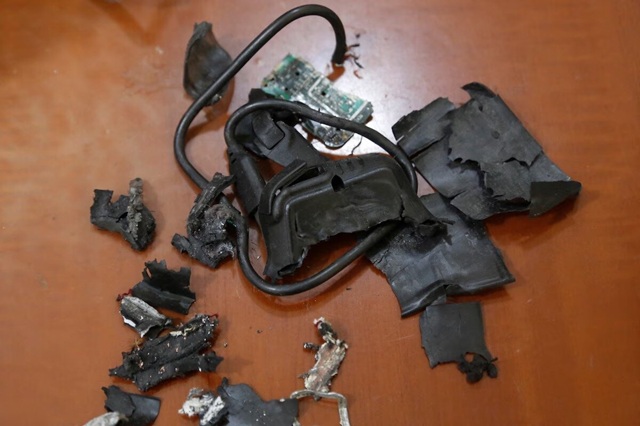
On September 17, 2023, Israel reportedly detonated the explosive-laden pagers, followed by the detonation of ICOM walkie-talkies the next day. These explosions killed at least 40 Hezbollah fighters and civilians while injuring approximately 3,000 people, including women and children.
Barnea described the event as a significant strategic victory, claiming it dealt a severe blow to Hezbollah’s morale. “Victory in war is not measured by the number of dead or the number of destroyed missiles, but by victory over the spirit, morale, and motives of the enemy,” he asserted.
Technology as a Tool of Warfare
The revelation highlights Israel’s use of advanced technology to infiltrate and sabotage Hezbollah’s communication networks. Analysts suggest that Israel exploited Hezbollah’s reliance on pagers, which were considered more secure due to their technical simplicity and resistance to eavesdropping.
The incident also raises broader concerns about the weaponization of technology in modern warfare. The global electronics industry relies on complex supply chains, with components sourced from various countries before assembly and distribution. This creates vulnerabilities that can be exploited for espionage and sabotage.
Critics argue that such actions reflect a broader trend of technological dominance by Western powers, who seek to maintain superiority and prevent rivals like Iran, Russia, and China from developing independent capabilities.
“What happened in Lebanon is not just targeting Hezbollah members, but a systematic contamination of technology itself,” one analyst noted. “Technology is meant to improve lives, not be used as a weapon to kill and destroy.”
Despite the attack, sources close to Hezbollah affirm that the group remains committed to developing secure communication methods. As Hezbollah and its allies navigate the challenges of technological warfare, they aim to maintain independence and resist what they see as an ongoing campaign of digital and electronic dominance.