On the night of June 13, 2025, the world witnessed a major escalation in the ongoing conflict between Iran and Israel. In a sweeping retaliatory operation, Iran launched a large-scale missile and drone assault targeting Tel Aviv and its surrounding areas. While the strikes marked a dramatic shift in regional dynamics, a sharp contrast quickly emerged between the visual evidence on the ground and the narratives circulated by prominent Western media outlets such as The Financial Times, The New York Times, and Reuters.
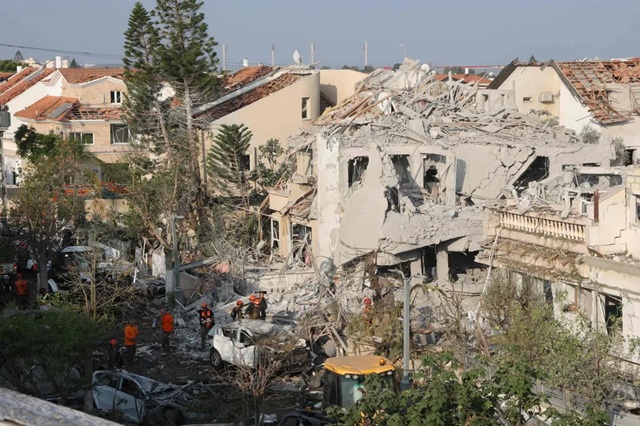
These outlets broadly claimed that most of the incoming missiles were intercepted and that damage in Israel was minimal. However, images and video footage from Tel Aviv paint a starkly different picture. Widespread fires and dense plumes of smoke could be seen rising from multiple locations within the city’s urban core, suggesting that key infrastructure and possibly residential buildings suffered direct hits. Video reports aired by Al Jazeera and local sources captured the intensity of Israel’s anti-aircraft defenses, alongside footage of multiple impacts that clearly exceeded the scale of mere “psychological” or symbolic attacks. Photographs of collapsed buildings, exploding fireballs, and deep black smoke columns point to significant, tangible destruction—far more serious than the “limited damage” portrayed in some mainstream reports.
This growing disparity points to what many observers are calling a form of soft censorship. The apparent downplaying of the Iranian strikes by Western media may be a calculated effort to preserve Israeli morale and safeguard diplomatic narratives favored by the United States and its allies. It also suggests that these actors were unprepared for a retaliatory strike of such scale and sophistication. Notably, the Iranian assault highlighted vulnerabilities in Israel’s celebrated Iron Dome system and signaled a shifting balance of deterrence in the region.
The events of June 13 underscore more than just a military confrontation—they mark a turning point in the information war. The clear mismatch between media portrayals and the destruction seen on the ground raises urgent questions about the objectivity and credibility of global news coverage.
Ultimately, the reality unfolding in the streets of Tel Aviv speaks louder than headlines. As Iran’s missile capabilities grow in precision and range, so too does the difficulty for those seeking to manage public perception through selective narratives.