Oil prices fell on Thursday as investors assessed the risk of supply disruptions following attacks on ships in the Strait of Hormuz and considered the outlook for global crude supplies outlined in the International Energy Agency’s latest monthly report.
Brent crude futures for December delivery, the international benchmark, declined 1.66% to $104.31 a barrel, while US West Texas Intermediate futures for November fell 1.09% to $94.05 a barrel.
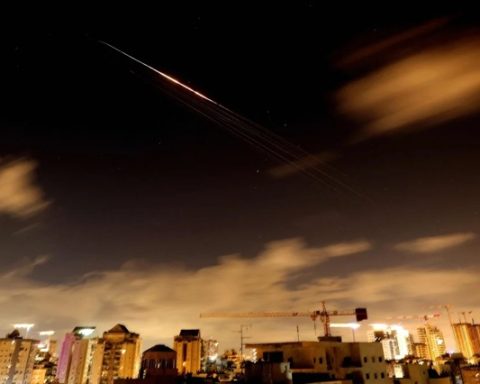
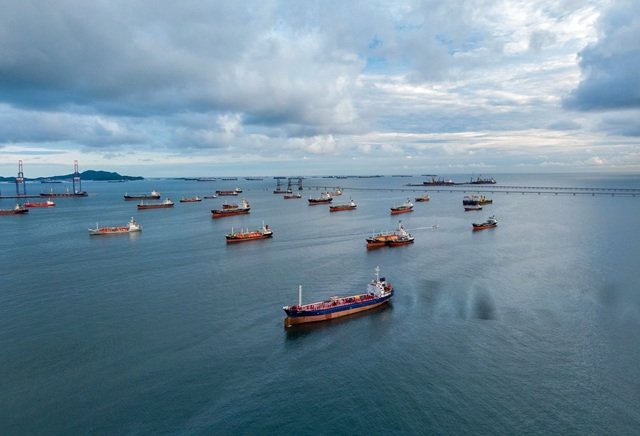
The declines came despite growing concerns over tensions in the Middle East, including the sinking of a Singapore-registered vessel in the Strait of Hormuz, a critical waterway for international energy shipments. The incident heightened fears that an extended regional conflict could further disrupt oil supplies.
Singapore’s maritime authority condemned the attack in a statement issued on Wednesday. “Such attacks are unprovoked, unjustifiable and a breach of international law,” it said.
Iran also issued a warning directed at US naval forces, saying it was “counting the moments” until it could begin striking US warships. The statement added to concerns about the security situation in the region as diplomatic efforts between Washington and Tehran showed little progress.
Firas Bechwaty, head of business development at online trading platform ICM, said the lack of progress in US-Iran diplomacy “leaves little immediate prospect of a full reopening of the waterway”.
However, he said alternative routes for Saudi crude exports and emergency releases from strategic stockpiles were helping to limit upward pressure on prices.
“At the same time, Saudi crude continues to reach international buyers through alternative routes, while accelerated emergency stock releases by IEA members provide an additional buffer, preventing a sharp rise in prices, even as tensions remain elevated,” Bechwaty said late on Wednesday.
The International Energy Agency’s October oil market report, released on Wednesday, warned that constraints in diesel markets could persist well into next year. The agency also cautioned that fresh attacks on Saudi Arabia threatened to undermine a recovery in oil supplies.
The warning highlighted continuing risks to petroleum product availability even as crude prices moved lower during Thursday’s trading. Investors were weighing the potential impact of further disruptions against measures intended to maintain supplies and reduce the immediate pressure on markets.
The Trump administration is also considering easing sanctions on vessels associated with the so-called “shadow fleet”, which transports oil and petroleum products from countries including Russia, Reuters reported. The proposed measure is being considered as part of efforts to help ease prices, although the source did not indicate whether a decision had been made.
The market’s direction reflects competing pressures: attacks on shipping and uncertainty over the reopening of the Strait of Hormuz are sustaining concerns about supply, while alternative export routes and emergency stock releases are providing some relief.
Bechwaty said the continued flow of Saudi crude through alternative routes, combined with accelerated releases from emergency stockpiles by IEA member countries, was helping to prevent a sharper increase in oil prices despite elevated regional tensions.