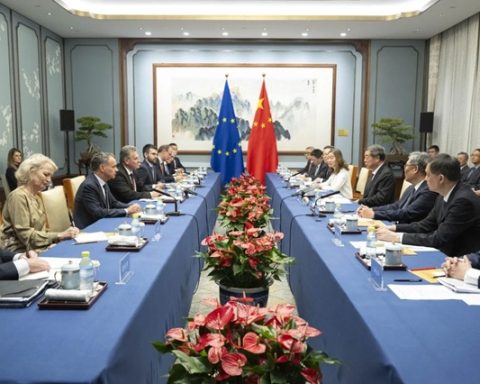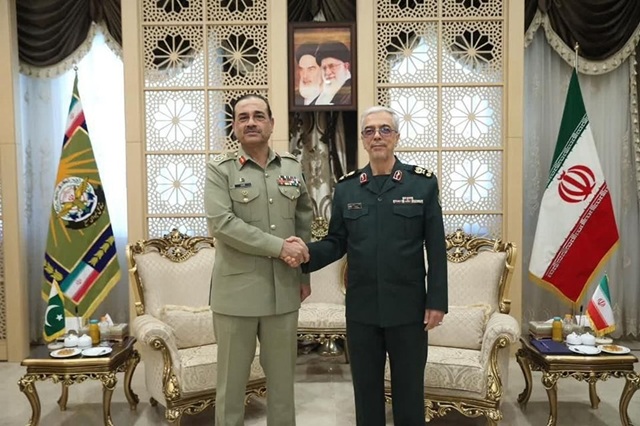
Field Marshal Asim Munir, Pakistan’s powerful army chief, has emerged as a charismatic figure on the global stage, meeting twice with Donald Trump—whom he calls his “favourite field marshal”—and courting other major powers, including China, Saudi Arabia, and Iran. The Financial Times reports that Munir’s diplomatic energy has thrust Pakistan back onto the international chessboard after years of political turmoil and economic instability, with hopes that foreign investment and security partnerships will stabilize the country.
Yet while Munir enjoys attention abroad, he confronts far tougher challenges domestically. Pakistan is grappling with a stalled economy, a poverty rate that has risen to an eight-year high of 25.3 percent, mounting debt that consumes nearly half of the federal budget, and historically low levels of investment. The IMF bailout and bilateral debt rollovers provide temporary relief, but structural reforms remain elusive amid entrenched political and military interests.
Munir has consolidated power in ways that critics say surpass even the authority of past military rulers. Opposition leaders are jailed or in hiding, courts are pliant, and censorship of the press is widespread. Despite the projection of stability, insurgencies in the west, tensions with the Taliban in Afghanistan, and widespread discontent among young Pakistanis fuel a volatile domestic landscape. The Financial Times describes the army’s counter-insurgency efforts as hampered by a lack of local support, deepening the country’s security challenges.
At the same time, Munir’s administration is attempting to exploit Pakistan’s untapped mineral wealth, from copper to rare earths, with proposals to develop ports like Pasni as hubs for foreign investment. The gambit reflects a delicate balancing act between Washington and Beijing, with the former drawn by economic opportunity and the latter wary of security threats and competition near Chinese-run ports. While international recognition grows, domestic critics argue that the field marshal’s promises of reform risk being undermined by the army’s entrenched economic and political interests.
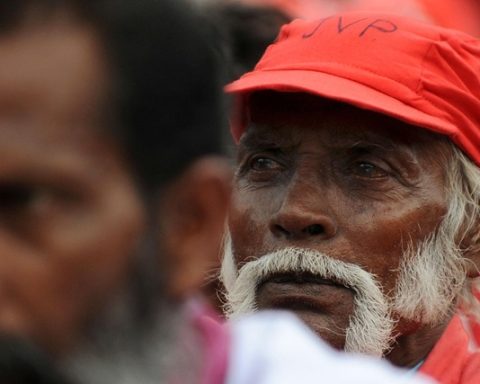
For ordinary Pakistanis, the situation is increasingly precarious. The Financial Times notes that millions of young citizens, inspired by the popularity of jailed former Prime Minister Imran Khan, are increasingly defiant of the military-led order, while protests elsewhere in Asia demonstrate the potential power of youth mobilization. Economists warn that with growth barely keeping pace with population increases, and investor confidence shaken by past corporate exits, Pakistan faces an existential economic dilemma.
As Munir projects confidence abroad, the real test will come at home, where poverty, political disillusionment, and security threats create a high-stakes environment. The Financial Times highlights the paradox of a military strongman celebrated globally while the country he leads struggles to maintain basic stability and public trust.