Former Peruvian President Ollanta Humala has been sentenced to 15 years in prison for laundering more than $3 million in illicit campaign funds, becoming the latest in a long line of the country’s leaders to be convicted of corruption.
The National Superior Court in Lima delivered the verdict on Tuesday, also sentencing Humala’s wife, Nadine Heredia, in connection to the case. Prosecutors argued that the couple illegally received cash from the Brazilian construction giant Odebrecht and from the late Venezuelan president Hugo Chávez to finance Humala’s 2006 and 2011 presidential campaigns.
Judge Noyka Coronado stated during the hearing that Heredia accepted large sums of U.S. dollars in suitcases and backpacks at Venezuela’s embassy in Lima ahead of the 2006 elections. “From our evidence [we can say] that this money came from an illicit source,” Coronado said, ordering Humala’s immediate detention.
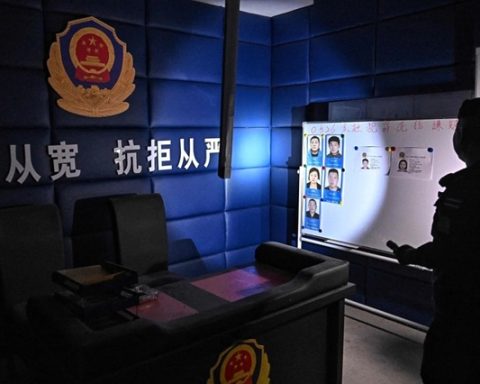
Humala, who served as president from 2011 to 2016, was surrounded by police as he exited the courtroom. Heredia, a former first lady and influential political figure in her own right, did not attend the sentencing. Peru’s foreign ministry later confirmed that she had entered Brazil’s embassy in Lima earlier that day to seek asylum. “Both governments are in permanent communication over this situation,” the ministry said.
Humala will serve his sentence at Barbadillo prison, a facility on the outskirts of Lima built specifically to house former presidents. He will join other disgraced leaders, including Alejandro Toledo — sentenced last year for accepting a $35 million bribe from Odebrecht — and Pedro Castillo, who was arrested in 2022 after attempting to dissolve congress and rule by decree.
The Odebrecht scandal has ensnared nearly all of Peru’s recent heads of state and remains one of Latin America’s largest corruption cases. Two other ex-presidents, Alan García and Pedro Pablo Kuczynski, were also implicated. García took his own life in 2019 as police arrived to arrest him, while Kuczynski remains under house arrest.
Since 2016, political instability triggered by corruption investigations has led Peru through six presidents in less than a decade. The scandal has crippled public trust and shaken the private sector. In March, Brookfield Asset Management launched arbitration proceedings against the government over a toll road concession originally obtained from Odebrecht.
“When the Odebrecht investigation broke out 10 years ago, the political system collapsed,” said Rodolfo Rojas, director of the Lima-based political risk consultancy Sequoia. “All of this atrophied the country’s public procurement system and generated a political crisis. The leaders of the main parties were either under investigation, imprisoned, or, in García’s case, dead.”
The sentencing of Humala marks yet another chapter in Peru’s struggle with entrenched corruption and the enduring legacy of Odebrecht’s influence across the region.