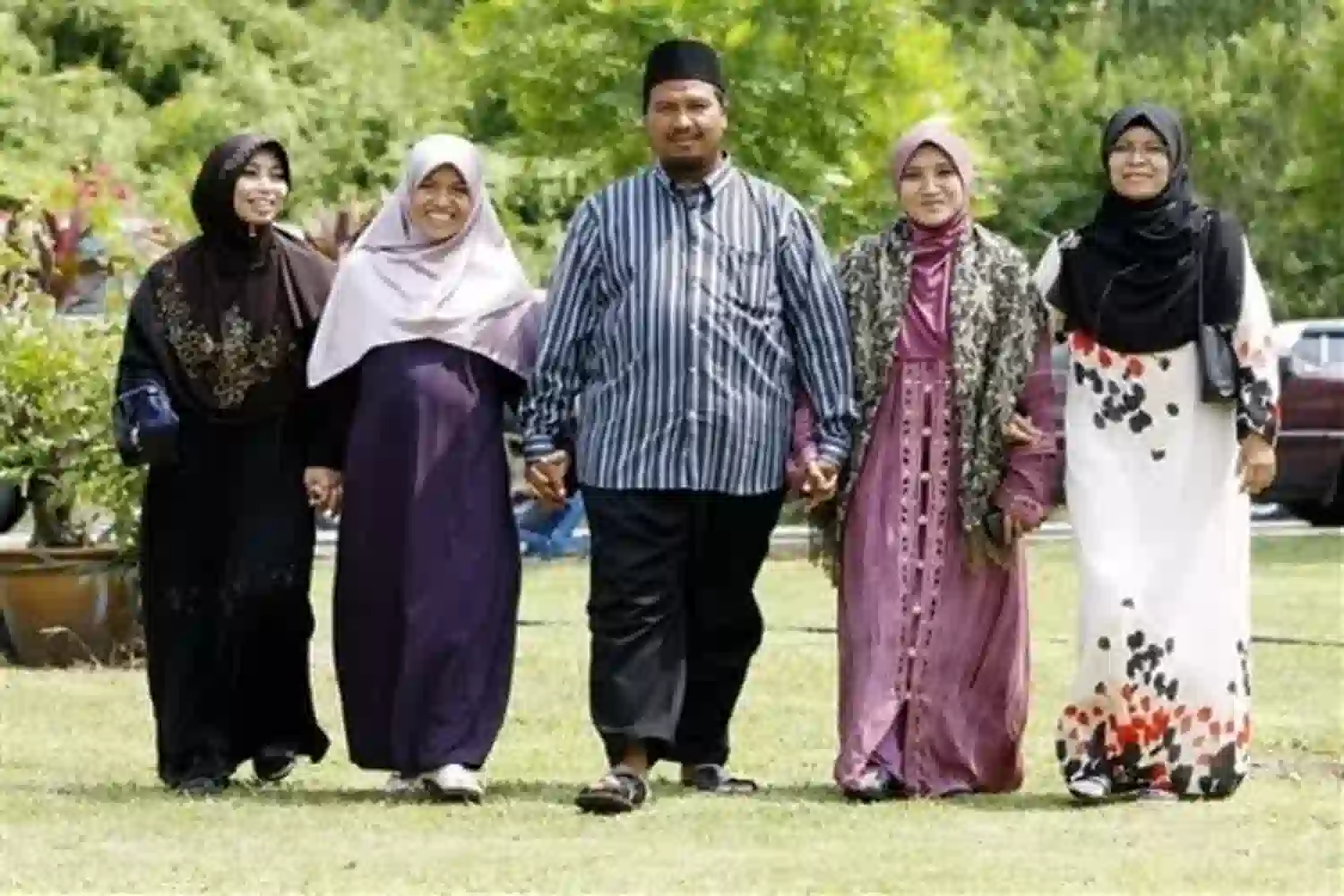
While the world—particularly in the last few decades—has achieved spectacular growth in scientific advancement, technological practices, and management techniques, it still appears that the basic mindset of some sections of men remains unchanged at an unacceptable level. While there is no dearth of men with progressive views about women and an appreciation of the fact that men are in no way superior to women when viewed holistically, there are still some who believe in the so-called superiority of men over women.
Although several women’s liberation movements have been launched in the last few decades around the world, the ground reality is that sections of women still live under the shadow of men and are often subjected to various forms of abuse and insult in their day-to-day lives. This scenario is true whether it is a developed, developing, or underdeveloped country, as evident from frequent media reports about atrocities committed against women across the world.
Among the several types of offences against women, the worst form is polygamy. Polygamy is the practice of a man being married to more than one wife at the same time.
While in a few countries polygamy is permitted by law, and in some religions the practice is considered permissible, there are also many instances in which polygamy is practiced discreetly by men.
Polygamy is an obnoxious practice in which women are viewed by men as mere physical bodies, clearly ignoring the fact that women are no different from men in terms of mental attributes, faculties, and thought processes. Men who choose to practice polygamy can justifiably be described as uncivilised and driven purely by physical impulses.
Although epic stories from several centuries ago indicate the prevalence of polygamy as though it were a normal historical practice, it is also true that many ancient literatures, writings, and speeches described polygamy as the outcome of an undesirable mindset among a few men and termed it an unethical practice. It can be said firmly that at no point in the distant past was polygamy conclusively upheld as a legitimate practice. Even in the case of certain religions where it is claimed that polygamy is permitted, this view is largely a misinterpretation, as deeper study of their texts reveals that these religions have consistently upheld the dignity of women as mothers, wives, sisters, and daughters, treating them as highly respectable individuals, equal in worth to men. The claim that some religions endorse polygamy can therefore only be termed a mischievous narrative based on isolated historical instances.
It is well known that in a few countries—such as Iran and Afghanistan, which identify strongly with Islam—women continue to face discrimination. In several other countries, there are dress restrictions for women, and women are not allowed to pray alongside men in places of worship.
It is gratifying to note that the Assam state government in India has banned the practice of polygamy within the state and has announced severe punishment for those who violate the law. This legislation is long overdue.
It is unfortunate that a worldwide anti-polygamy movement has not yet been effectively organised.
The world cannot be considered to have reached a desirable level of civilisation until women are regarded as equal to men in all respects everywhere. Obviously, the first and foremost battle in establishing equality between men and women must be the battle to eradicate the practice of polygamy across the globe.
It would be appropriate for the United Nations Organisation (UNO) to take up this issue in earnest, discuss the evil practice of polygamy in its forums represented by various countries, and work to convince all nations to legally and effectively ban polygamy.