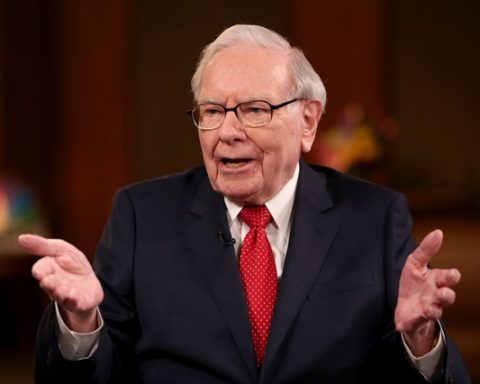
Ray Dalio, the billionaire founder of Bridgewater Associates, is casting doubt on the future of the multistrategy hedge fund model that has surged to prominence in recent years. Speaking on Bloomberg’s Odd Lots podcast during its 10-year anniversary episode, Dalio said that while multistrat funds may be effective investment engines today, he does not believe they can sustain a business for half a century the way Bridgewater has. He argued that the model’s fragmented, pod-based approach undermines deep relationships and shared purpose — qualities he sees as essential for long-term institutional strength.
The multistrat approach, popularized by firms such as Millennium Management and Citadel, relies on allocating capital to dozens or even hundreds of specialized pods that operate almost independently across equities, fixed income, energy, and other niches. The model has delivered consistent returns across market cycles and helped propel Millennium to more than $81 billion in assets and Citadel to roughly $71 billion in investment capital, placing them alongside Bridgewater among the world’s largest hedge funds. Bloomberg has chronicled the rapid expansion of this model, with veteran managers like Bobby Jain and Michael Gelband launching their own platforms to capitalize on investor demand.
But Dalio suggested that the same features that make multistrats efficient can ultimately weaken them. He warned that siloed pod structures limit relationship-building and cultural cohesion, making it harder for firms to maintain continuity or compete over decades. Traders inside pod shops often operate as near-independent agents, which Dalio said deprives organizations of the unified mission and cross-skill collaboration that he believes drive lasting success. While technology may streamline the multistrat approach, he questioned whether it can substitute for the human bonds that keep a firm anchored through turbulent periods.
Regulators have also zeroed in on the risks inherent in the model, particularly the high levels of leverage some multistrats deploy and the danger of synchronized selling during market stress. Dalio contrasted those vulnerabilities with Bridgewater’s more integrated macro investing framework — even as he acknowledged that macro funds, including his own, tend to lag during low-rate, low-volatility environments.
Dalio’s comments carry weight given his legacy. He founded Bridgewater in his two-bedroom New York apartment in 1975 and built it into a hedge fund powerhouse known for its distinctive culture, defined by “radical transparency,” rigorous debate, and an elaborate system of principles that guided decision-making. Though he stepped back from his co-chief investment officer role in 2022 and sold his remaining stake earlier this year, his imprint remains central to the firm’s identity. Under current CEO Nir Bar Dea, Bridgewater has softened some of its more unconventional cultural elements while maintaining its investment discipline.
Despite Dalio’s skepticism about the multistrat model, Bridgewater itself is enjoying a strong year. Its flagship macro fund has climbed 26.4% in the first nine months of the year, putting it on track for its best annual performance since 2010 — a reminder that long-established firms can still thrive even as new models dominate the hedge fund spotlight.