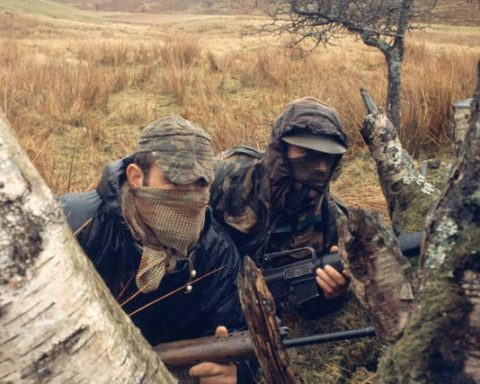
The region of Sistan-o-Balochistan in Iran has long been a hotbed of ethnic tension and separatist activity. With its large Baloch population, this area has witnessed sporadic uprisings against the Iranian state stemming from grievances over political representation, economic neglect, and religious persecution. However, in recent months, the level of unrest has escalated sharply. Iranian Baloch dissidents have been blocking military movements and carrying out acts of sabotage. This surge in instability is not an isolated event; it forms part of a broader strategy involving intelligence agencies like Mossad and RAW. The growing involvement of these external actors raises concerns not only for Iran but for Pakistan as well, given the shared Baloch population that spans the Iran-Pakistan border.
Mossad-RAW Nexus
The involvement of external intelligence agencies in the unrest in Sistan-o-Balochistan is becoming increasingly evident. Numerous reports suggest that the Mossad in conjunction with RAW is playing a significant role in exacerbating the instability in this already volatile region. This is not just a result of the ongoing Israel-Iran conflict but also part of a calculated strategy aimed at destabilizing Iran from within.
Israeli Prime Minister Benjamin Netanyahu has openly called for regime change in Iran, echoing long-standing Israeli concerns over Iran’s nuclear ambitions and its influence in the region. Netanyahu’s calls for regime change are not merely rhetorical; they are a reflection of a broader Zionist agenda that seeks to leverage proxy actors and psychological operations to weaken Iran’s internal stability. This is where RAW and Mossad come into play, utilizing regional dissident groups, particularly in Sistan-o-Balochistan, as tools of destabilization. In recent months, the arrest of 73 Indian agents allegedly working for Mossad in Iran has highlighted the growing nexus between RAW and Mossad. These operatives are believed to have been involved in stirring unrest and providing logistical and financial support to separatist groups in Balochistan.
Baloch Separatism
While the current unrest in Sistan-o-Balochistan is an Iranian issue, the impact on Pakistan is undeniable. Baloch insurgents have long operated within both Iran and Pakistan, often crossing the porous border that divides the two countries. The ethnic and ideological ties among Baloch people across the Iran-Pakistan border make the region particularly susceptible to cross-border subversion. The Baloch Liberation Army (BLA), one of the most prominent separatist groups, has maintained an operational presence in both Iran and Pakistan. This transnational insurgency has led to growing concerns for Pakistan, as there are fears that the destabilization of Sistan-o-Balochistan could easily spill over into its own Baloch-majority province, Balochistan.
The operational presence of Baloch separatists in Iran, aided by foreign intelligence agencies, creates a perfect storm for regional instability. Pakistan’s government has long been concerned about the BLA’s cross-border activities and its links to RAW, particularly after the group’s calls for Indian support during the 2025 Indo-Pakistan conflict. This alliance between Baloch militants and foreign intelligence agencies could deepen the already existing tensions in the region.
Hybrid Warfare
In addition to traditional forms of subversion, Mossad and RAW are increasingly turning to digital warfare and disinformation to further their agendas. The power of social media, digital propaganda, and fake news cannot be underestimated in the modern era of hybrid warfare. Mossad and RAW have become adept at using digital platforms to provoke unrest, spread disinformation, and manipulate public opinion. In Iran, this has translated into increased sectarian violence and ethnic tensions, as external actors stoke divisions within Iranian society.
The role of disinformation in destabilizing Iran is particularly concerning. For instance, both Mossad and RAW are accused of using social media to fuel ethnic and ideological rifts, sowing distrust between the Iranian government and its citizens, especially in the Baloch-majority areas. By amplifying grievances and creating a climate of mistrust, these foreign agencies are contributing to an atmosphere in which violence and insurgency are more likely to thrive. This digital war on Iran’s internal stability is a key element of the larger proxy strategy being employed to undermine the Iranian regime.
Another worrying development is the exploitation of women’s rights movements in both Iran and Pakistan. Over the past decade, the struggle for women’s rights in the region has gained significant traction, both domestically and internationally. However, there are growing concerns that these movements are being co-opted by foreign powers as tools of hybrid warfare. By manipulating these movements, intelligence agencies such as Mossad and RAW aim to delegitimize state narratives and destabilize the political landscape.
In Iran, the women’s rights movement has found strong support among ethnic minorities, including the Baloch. This support, however, comes at a cost. Some analysts believe that the external manipulation of these movements is exacerbating ethnic and political divisions in the country. The situation in Pakistan is no different. While women’s rights are an important and legitimate cause, there is a growing recognition that some of these movements are being funded and directed by foreign intelligence agencies with the aim of destabilizing the government.
The situation in Sistan-o-Balochistan is a microcosm of the broader geopolitical competition that is unfolding in the region. The increasing involvement of foreign intelligence agencies, particularly Mossad and RAW, is making an already volatile situation even more dangerous. For both Iran and Pakistan, the threat posed by these external actors is real and significant.