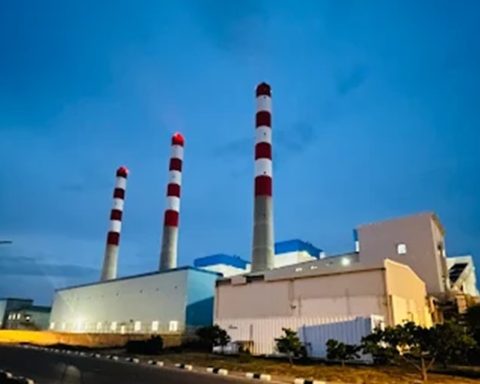
Sri Lanka’s energy sector is in turmoil as the Ceylon Electricity Board (CEB) and its consumers face losses running into billions of rupees due to the import of substandard coal for the Lakvijaya Power Plant in Norocholai, according to the Ceylon Electricity Board Engineers’ Union (CEBEU). The union has demanded that those responsible for this massive financial damage be identified immediately, and that legal action be taken without delay.
In a special press release, the union highlighted that while coal imports have been ongoing through various companies since the power plant’s inception, the current situation marks an unprecedented level of substandard material entering the country. Lakvijaya Power Plant, which accounts for approximately 40% of Sri Lanka’s annual electricity needs, is the lowest-cost thermal power plant in the system. The introduction of inferior coal at such a crucial facility directly impacts electricity costs for consumers nationwide.
The union emphasized that the assessment of financial loss must extend beyond an internal committee within the ministry and should involve a fully transparent technical evaluation. CEBEU warned that no pressure should be exerted on plant employees or engineers who step forward to reveal the truth, noting that strict trade union action will be taken against any such intimidation.
Authorities have been urged to intervene urgently to prevent further misuse of public funds. Nearly nine coal shipments entering Sri Lanka have been confirmed to contain substandard coal, prompting a formal complaint to the Commission to Investigate Allegations of Bribery or Corruption (CIBC). The complaint, filed by Specialist Dr. Chamal Sanjeewa, President of the Doctors’ Trade Union Alliance for Medical and Civil Rights, calls for a thorough and impartial investigation into the entire procurement process.
Dr. Sanjeewa stated that the government has suffered an estimated loss of Rs. 8,000 million due to this coal debacle and criticized previous controversial decisions by the Bribery Commission. He stressed that all politicians and public officials linked to the coal deal must face investigation, with findings presented in court to ensure accountability irrespective of political affiliation.
Beyond the financial fallout, the use of substandard coal poses serious public health risks, potentially exposing nearly 200,000 residents in the affected areas to cancer and other respiratory diseases. Dr. Sanjeewa warned that the health consequences make it imperative for authorities to treat the incident with the utmost seriousness, and called for immediate remedial action to protect both the economy and the wellbeing of citizens.