A proposed amendment to Sri Lanka’s Anti-Corruption Act No. 9 of 2023 has drawn strong concern from a coalition of 86 local and international civil society organisations, which says the changes could significantly weaken transparency and the mechanisms governing the disclosure of assets and liabilities by public officials. The coalition includes Transparency International Sri Lanka and the Centre for Policy Alternatives, which argue that several provisions in the proposed amendments could restrict the public’s right to access information and have implications for freedom of expression.
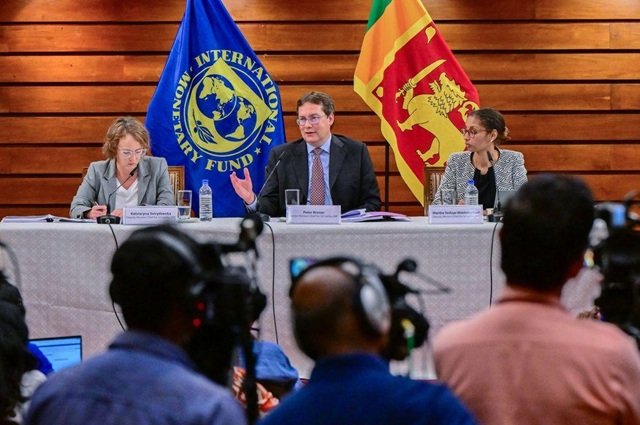
The Bill, presented to Parliament on August 19, proposes amendments to 18 provisions of the original legislation. Discussions are also reportedly under way between the Government and the International Monetary Fund on aspects of the proposed amendments. According to the information provided, the IMF has raised concerns that some of the proposed changes could weaken the asset disclosure process and raise questions about judicial independence. As a result, some of the more controversial proposals may have to be withdrawn.
The 2023 legislation significantly expanded the ability of the public and journalists to examine asset declarations made by public representatives and state officials. However, the proposed Section 11 would give the Commission to Investigate Allegations of Bribery or Corruption broad authority to redact and conceal what it considers “other information” affecting personal privacy. Civil society organisations argue that the provision could substantially alter the level of information available for public scrutiny by allowing material contained in asset declarations to be withheld.
The proposed amendments would also make it an offence to use a redacted asset declaration for a purpose outside the function for which it was provided. The proposed penalty would include a maximum fine of Rs. 100,000 and a prison term of up to one year. Civil society groups have described this provision as a serious threat to the public’s right to information, particularly where journalists or members of the public seek to examine information concerning the financial interests of public officials.
Another proposed change concerns the institutions whose officials are required to submit declarations of assets and liabilities. The draft would raise the Government ownership threshold used to determine whether an institution falls within the relevant requirement from 25 per cent to 50 per cent. Civil society organisations have raised concerns that this change could remove officials in a number of institutions under Government control from the obligation to disclose their assets and liabilities.
The dispute comes as Sri Lanka continues to implement a broader governance and anti-corruption reform programme. The IMF has previously identified the strengthening of the asset declaration framework, public access to declarations and improved disclosure of financial interests as important elements of Sri Lanka’s anti-corruption reforms. In its 2026 review, the Fund also noted the launch of an electronic asset declaration system by CIABOC and stressed the importance of continuing to strengthen the country’s anti-corruption institutions.
The proposed amendments therefore place the Government’s approach to asset disclosure under renewed scrutiny. While the Government has proposed changes to the framework established by the 2023 Act, civil society organisations are warning that provisions concerning redaction, penalties and the scope of institutions covered by disclosure requirements could reduce the level of public oversight. The outcome of the ongoing discussions with the IMF, and the Government’s final position on the disputed provisions, will determine the extent to which the existing framework for public scrutiny of officials’ assets is retained or altered.