Apple delivered a stronger-than-expected quarterly performance, beating Wall Street revenue forecasts on the back of surging demand for its iPhones and a significant recovery in China. Tim Cook, the company’s chief executive, described demand for the latest devices as “staggering,” signalling renewed momentum for Apple’s core product amid lingering concerns about a slowdown in global hardware sales.
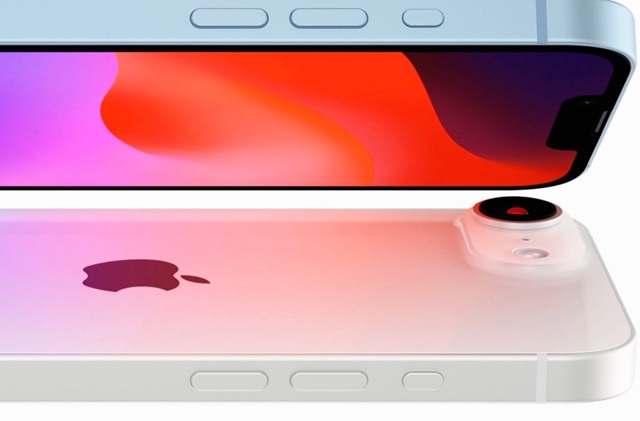
The company said its iPhone 17 lineup lifted sales across major markets, easing fears that Apple was approaching a plateau in handset demand. The new models have been well received for enhanced camera features and performance upgrades, while a wave of customers upgrading from older devices provided an additional boost.
iPhone revenue climbed to $85.27 billion in the quarter ending December 27, far surpassing analysts’ expectations of $78.65 billion. Apple reported that iPhone sales set records in every geographic segment, underscoring broad-based global demand despite ongoing macroeconomic uncertainty.
“The demand for iPhone was simply staggering, with revenue growing 23 per cent year over year to achieve its biggest quarter in history,” Cook said, highlighting the scale of the rebound.
Apple unveiled its latest iPhones in September, including a slimmer iPhone Air featuring a high-density battery and a new processor, with prices starting at $999. The company also refreshed its product range with a new version of AirPods Pro and an Apple Watch equipped with a blood pressure monitor, reinforcing its strategy of tightly integrated hardware upgrades.
While Apple continues to roll out artificial intelligence features across its devices, it has taken a more restrained approach to AI infrastructure spending than rivals such as Microsoft, Amazon and Alphabet. Instead, the company has focused on partnerships that allow it to deploy external AI models directly to its vast user base, limiting capital outlays while still expanding functionality.
The recovery in China proved particularly significant. Sales in Greater China surged 38 per cent year on year to $25.5 billion, well above market expectations of $21.3 billion. Apple has faced intense competition from domestic smartphone makers and increased regulatory scrutiny in the region, but Cook said iPhone sales reached a record and that the iPhone 17 drove double-digit growth in users switching from Android devices.
Beyond hardware, Apple’s services division continued to expand, generating $30 billion in revenue, up from $26.3 billion a year earlier. The growth in services, which include the App Store, Apple Music and Apple TV, provided an additional layer of resilience to Apple’s earnings and reinforced the company’s increasingly diversified revenue base.