


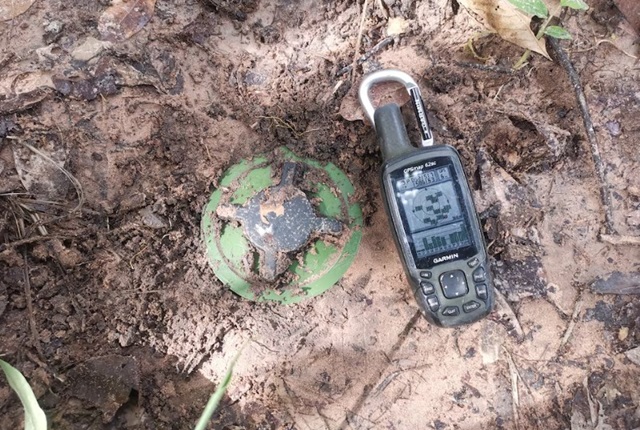
Thailand has accused Cambodia of planting new anti-personnel landmines along their shared border, following a July 16 incident in which Thai Second Lieutenant Baramee Sricha’s patrol triggered a mine that severed a soldier’s ankle. The event sparked five days of hostilities between the neighboring countries, which ended with a U.S.-brokered ceasefire, Reuters reports.
The disputed ordnance involves PMN-2 mines, of Soviet origin, which Bangkok says have maimed at least six Thai soldiers since mid-July. Thailand’s military provided Reuters with videos and photos from demining operations conducted between July 18-23. Independent experts consulted by the agency confirmed that the mines appeared freshly laid, though they could not determine who planted them.
Cambodia denies the allegations, asserting that some Thai soldiers may have stepped on old ordnance left from decades of conflict, which left the country heavily mined. The Cambodia Mine Action and Victim Assistance Authority (CMAA) told Reuters that a definitive determination would require an impartial third-party investigation. CMAA’s First Vice President Ly Thuch emphasized that the appearance of mines alone does not prove recent planting.
Thailand, a long-standing U.S. ally, maintains that the mines were newly placed PMN-2s. The nation has petitioned the United Nations and the Ottawa Convention framework, which bans the use of anti-personnel mines, to press Cambodia for a response. United Nations officials said they continue to support efforts to achieve a cooperative resolution between the two countries.
Experts warn that continued violations, if confirmed, could undermine decades of international demining efforts and raise broader security concerns along one of the world’s most heavily mined borders.










