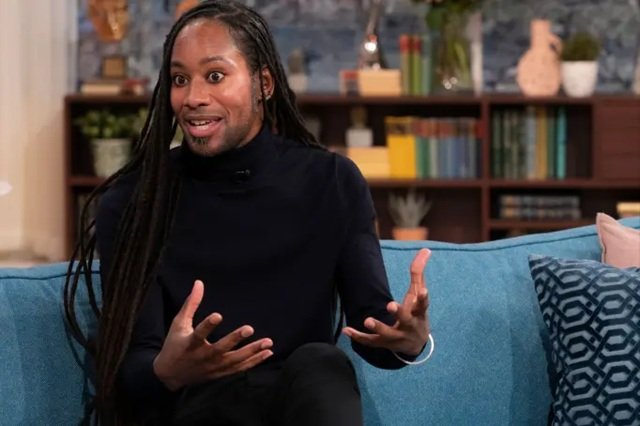
The death of Cambridge professor Jason Arday has intensified questions about proportionality, race and journalistic responsibility after weeks of relentless coverage over allegations concerning his academic record and the wider story of his life.
“Two weeks ago Jason Arday was a Cambridge professor and now he is gone.” The observation, posted by an academic late on Friday night, captured the extraordinary speed with which a prominent university career became the subject of an intense media storm.
The allegations against Arday began with a Substack post by a man describing himself as a “race realist”, who argued that in a meritocracy Black people would “disappear from almost all high-profile positions outside of sports and entertainment”. He raised claims of suspected plagiarism in Arday’s PhD thesis. Newspapers subsequently examined the allegations and found them credible.
Scrutiny of academic work is a legitimate part of public accountability, particularly when it concerns someone holding a senior position at one of Britain’s most prominent universities. Arday’s doctoral thesis had been sufficient for him to receive a PhD from Liverpool John Moores University, but critics argued that aspects of his academic work had brought Cambridge into disrepute.
The controversy, however, quickly moved beyond questions about his scholarship. According to figures cited in the source article, 249 articles were published about Arday over 22 days. Journalists examined aspects of his personal history, while the story became increasingly entangled with Britain’s wider culture wars over race, diversity and elite universities.
For Arday, the intensity of the attention was striking. On the day after his death, The Times was still running a sponsored advertisement on X promoting a piece written by a former student who had been dissatisfied with his teaching. The episode illustrated how a controversy surrounding one academic had developed into a much broader media narrative.
Arday had risen to a professorship at Cambridge in 2023, and his appointment had itself attracted considerable attention because he was Black. During the subsequent coverage, comparisons were drawn with Meghan Markle, while some commentators argued that Arday’s career demonstrated that Black people received an easier route into academia. The source article notes that only 1% of UK professors are Black.
Social media intensified those claims. Assertions circulated that Oxford and Cambridge admitted Black students with lower grades simply because of their race. The article disputes that characterisation, pointing instead to contextual offers based on class and educational disadvantage. Such offers can be made to students from struggling schools or deprived areas in recognition of the circumstances in which they achieved their results, and many recipients are white working-class students.
The dispute therefore became about more than whether Arday had committed academic misconduct. His case became a proxy for a much larger argument about race, meritocracy, affirmative action and the meaning of diversity within British universities.
There remained, however, legitimate questions about Arday himself. The source acknowledges that parts of his life story appeared questionable and that he was a fallible individual. Allegations of plagiarism warranted scrutiny, and questions remained that he would never be able to answer.
The central issue raised by the article is not whether Arday should have been subjected to scrutiny, but whether the scale and persistence of the coverage were proportionate to the allegations. He had not been accused of murder or rape, and the article contrasts the attention devoted to him with the cases of other academics facing serious controversies.
The comparison with Cambridge professor William O’Reilly is particularly striking. O’Reilly copied 4,000 words from students’ essays, republished them as his own in academic journals and, when discovered, said he had been a victim of “homophobic bullying”. The article argues that had coverage of Arday remained confined to questions about his academic work, the media treatment might have resembled that case rather than becoming a prolonged examination of his identity and personal life.
The prominence of Cambridge itself may partly explain the scale of the story. Britain has long displayed an intense fascination with Oxford and Cambridge, and the source argues that the controversy might have attracted less attention had Arday been a professor at Leeds, Durham or King’s College London.
But race, the article contends, was also central to the media firestorm. Some of the headlines did more than acknowledge Arday’s background. They connected his appointment directly to Black Lives Matter, demands to “decolonise” Cambridge and debates over diversity. Among the headlines cited were “How Black Lives Matter created Jason Arday”, “Students told Cambridge to ‘decolonise’ before Jason Arday was hired” and “Cambridge’s diversity poster boy in plagiarism row”.
The argument advanced in the source is that such framing reflected a political suspicion of Black achievement, treating Arday’s success not simply as an individual story but as evidence in a broader dispute over whether diversity initiatives had weakened standards.
That does not remove the obligation to investigate claims made against people in positions of authority. Nor does Arday’s death erase legitimate questions about his academic record. But the article argues that scrutiny must be distinguished from sustained personal exposure and that standards applied to one public figure should also be applied consistently to others.
The consequences of the controversy are now irreversible. Arday is dead, and his children will grow up without their father. Some of those who criticised him may eventually move on without remembering the details of the controversy that consumed so much attention.
The episode also revives a familiar question about the relationship between journalism, public scrutiny and personal responsibility. The source draws a comparison with the aftermath of Caroline Flack’s suicide, when many journalists said the media had learned lessons about the consequences of relentless coverage of public figures.
Six years later, the author argues, those lessons remain in doubt. The cycle is familiar: an intense media campaign, a public figure subjected to sustained scrutiny, a death, expressions of sympathy and an effort to locate responsibility elsewhere.
Arday’s case leaves that cycle exposed once again. Questions about academic integrity can be legitimate, and public figures cannot reasonably expect immunity from scrutiny. But the intensity with which a controversy is pursued, the framing used to explain it and the boundaries placed around a person’s private life remain matters of journalistic judgement.
For Arday, the judgement came too late to matter. The debate over his academic record may continue, but the man at the centre of it is no longer able to respond.