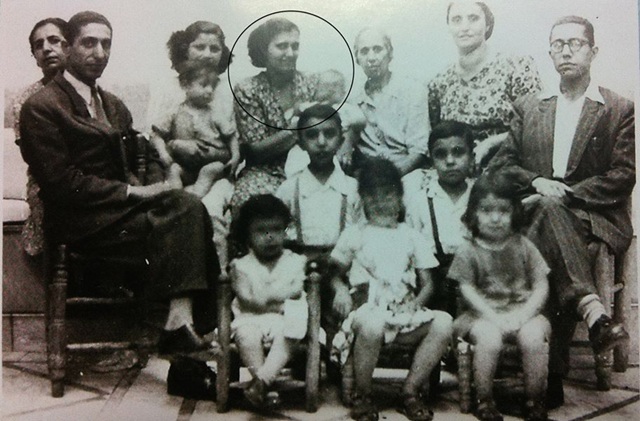
Between 1949 and 1950, the Israeli government launched Operation Magic Carpet, also known as “On Wings of Eagles,” a dramatic airlift that brought nearly 49,000 Yemeni Jews to the newly established state of Israel. Marketed as a rescue mission for a persecuted population, the operation quickly revealed a far more sinister undercurrent — one that continues to haunt the country’s history.
From 1948 to 1954, between 1,000 and 5,000 babies and toddlers — primarily from Yemenite, but also Iraqi and Moroccan Jewish families — vanished without explanation from Israeli transit camps and hospitals. Grieving parents were told their children had died suddenly, often due to illness, yet were denied bodies, graves, or even death certificates. In some shocking cases, decades later, parents received military draft notices for children long believed to be dead.
The children were often quarantined in hospital wards, allegedly for “hygiene reasons,” and parents were barred from visiting. According to survivor testimony and subsequent investigations, many of these children were never dead at all — they had been secretly taken from their families and given or sold to Ashkenazi families in Israel and abroad.
The backdrop to these crimes was the deep cultural and racial divide within Israeli society. Jews from Arab lands — known as Mizrahim — were treated as inferior by the European-descended Ashkenazi elite who dominated Israeli political, medical, and military institutions in the early years of the state. Under the leadership of Prime Minister David Ben-Gurion, the new government saw Mizrahi Jews as backward and uncivilized — unsuitable for the modern Zionist vision of a secular, Westernized Israel.
In this context, removing children from their “primitive” families and placing them with Ashkenazi households was considered a form of benevolent intervention — a disturbing justification rooted in eugenics and social engineering. Israeli journalist Yael Tzadok summarized the state’s approach bluntly: “They would be re-educated and made into suitable material for the new Zionist state.”
Investigations over the decades have been stymied by missing records, institutional silence, and bureaucratic obstruction. Adoption files from that era routinely lack parental consent, and many families were never informed or allowed to object. But with the advent of commercial DNA testing services like MyHeritage, some of the stolen children — now adults — have discovered their origins and reunited with biological relatives. These breakthroughs have confirmed long-standing allegations that the disappearances were not isolated mistakes but part of a systemic and racially motivated policy.
Despite mounting evidence and public outrage, no Israeli government has formally accepted full responsibility. A series of official commissions have acknowledged wrongdoing in vague terms, but stopped short of labeling the events as abductions or calling them crimes. For the families, justice remains elusive.
Operation Magic Carpet may have delivered thousands of Jews to the supposed safety of Israel, but for many of them, it also marked the beginning of a lifelong wound. Behind the image of heroic rescue lies a story of betrayal, racism, and stolen identity — one the Israeli state has yet to fully confront.