


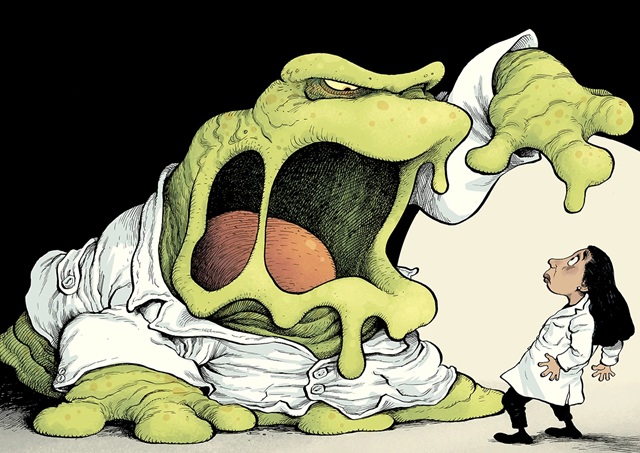
A PhD student in China recently reached out to Nature describing a toxic and abusive relationship with their supervisor that has left them severely depressed and anxious. The student, enrolled in environmental science and engineering, reports that research proposals are routinely dismissed and met with harsh personal attacks, including being called “incompetent” and “not even as good as a master’s student.” With no actionable guidance provided, the student has struggled to make research progress, compounding stress and contributing to a formal diagnosis of severe depression and mild anxiety.
Nature highlights that such experiences are far from unique. Its 2025 global survey of PhD students revealed that 43 percent of respondents reported some form of discrimination or harassment, with many reluctant to report incidents out of fear of retaliation. In China, the survey found particularly low satisfaction among PhD students, especially concerning relationships with supervisors, reflecting systemic cultural and institutional pressures.
Experts advise that students first focus on their mental health and seek support from peers, trusted colleagues, or university counseling services. Changhee Kim, a human-resource management researcher at Xi’an Jiaotong-Liverpool University, emphasizes that social support can provide perspective and comfort during difficult times. Morteza Mahmoudi, an anti-bullying researcher at Michigan State University, recommends documenting all interactions with the supervisor, from emails to meeting notes, and consulting networks such as the Academic Parity Movement for professional guidance.
Culture plays a critical role in shaping the power dynamics of PhD supervision in China. Confucian values emphasize respect for seniority and authority, often making supervisors the unquestioned “patriarchal leaders” of the research group. According to Nature, this cultural expectation can exacerbate the imbalance of power and discourage students from raising concerns or challenging unfair treatment. Experts suggest that in some cases, adapting to a supervisor’s work style and presenting structured, detailed research plans can elicit more constructive feedback.
Several researchers consulted by Nature recommend practical steps for students navigating toxic supervision. Seeking guidance from senior peers within the research group, clarifying expectations, and attempting structured proposals are strategies to gain actionable advice even in the absence of supportive supervision. When these measures fail, mediation through a university’s student-affairs office or academic-degree committee may help. However, experts caution that formal complaints can be risky, potentially triggering retaliation or institutional reluctance to act. Wang Yanbo, a science-policy researcher at the University of Hong Kong, advises students to identify trusted faculty advocates and consider transferring programs if necessary, while timing any complaint strategically to minimize personal and academic risk.
Nature’s reporting underscores the broader global challenge of balancing academic authority with student well-being. The survey data make clear that supportive supervision is directly linked to graduate student mental health, productivity, and retention. Without structural and cultural reforms, abusive supervisory relationships can have lasting personal and professional consequences for young researchers.
The case from China illustrates the urgent need for institutions worldwide to strengthen protections for graduate students, provide accessible counseling and mediation resources, and create reporting channels that safeguard students from retaliation. Nature emphasizes that awareness, documentation, peer networks, and strategic advocacy can help students navigate toxic supervision, but systemic changes are necessary to prevent abuse from becoming a pervasive aspect of graduate education.









