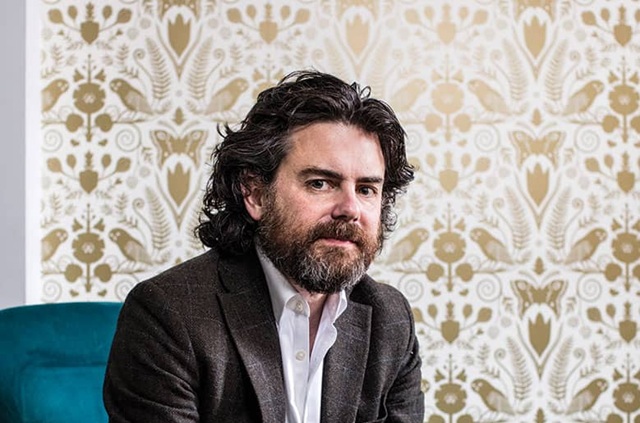
Amid growing protests in cities like Los Angeles, New York, and San Francisco against Donald Trump’s strict immigration policies, historian and New York Times journalist Clay Risen warns that the president is using fear and division as tools to consolidate power—just as Senator Joseph McCarthy did in the 1950s.
“The president portrays demonstrators as radical and violent to justify the use of domestic force,” Risen said, criticizing Trump’s deployment of the National Guard to suppress protests, which the administration claims are driven by “leftist agitators.”
A Modern-Day ‘Red Scare’
Risen, author of Red Scare: Blacklists, McCarthyism, and the Making of Modern America, describes Trump’s current political rhetoric as a modern version of McCarthyism. Where McCarthy vilified alleged communists, Trump targets immigrants, progressive academics, and supporters of diversity initiatives—labeling them as “anti-American.”
“Back then, being called a communist lost all specific meaning—it just meant you opposed the conservative status quo,” Risen explained. “Today, ‘woke’ serves the same purpose.”
Universities as Battlegrounds
According to Risen, universities have become a key target for Trump because they are “centers of progressive thought.” Much like McCarthy’s attacks on higher education, Trump now accuses professors and students of spreading dangerous ideologies. The government has even threatened to withhold federal funding from institutions accused of promoting “leftist indoctrination.”
Power Without Precedent
Risen notes that Trump wields significantly more power than McCarthy ever did. “Trump can issue executive orders that reshape entire institutions overnight,” he said. “McCarthy could only dream of that kind of influence.”
Unlike in the 1950s, there is now no bipartisan consensus or institutional guardrail strong enough to check presidential overreach. In McCarthy’s case, fellow Republicans eventually turned against him. With Trump, such an internal correction appears unlikely.
Fear-Based Governance
Trump, Risen argues, is not interested in practical immigration or social policy but in using fear to restructure the political landscape. “Illegal immigrants aren’t just a policy issue in his narrative—they’re a physical threat,” Risen said. The same applies to debates around diversity: “He links DEI [diversity, equity, inclusion] initiatives to plane crashes or sexual assault. It’s wildly exaggerated.”
Media and Misinformation
One major difference between the McCarthy era and today is the media environment. “People can now live entirely within a right-wing media bubble,” Risen said. Outlets like Fox News amplify Trump’s framing, reinforcing narratives of threat and cultural collapse.
Signs of Resistance
Despite the bleak parallels, Risen sees signs of resilience. “During the original Red Scare, there was very little organized resistance,” he said. “Today, we see law firms, universities, and individuals fighting back in court and in public discourse.”
Whether peaceful protests across U.S. cities will mark a turning point or a deeper slide into authoritarianism, Risen says, depends entirely on how Trump chooses to respond in the coming days.