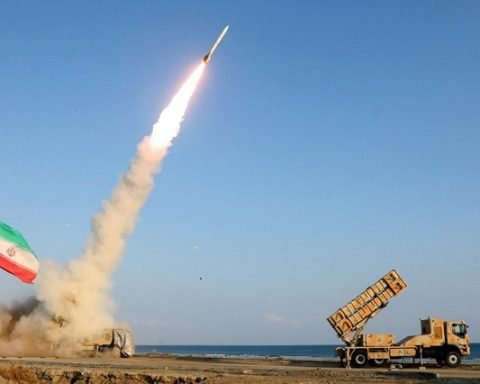
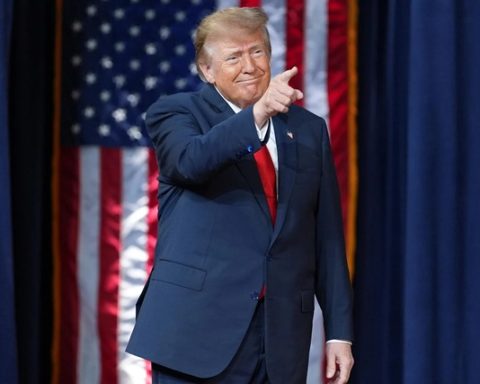
Former U.S. President Donald Trump has escalated his pressure campaign against Iran, vowing to impose sweeping secondary sanctions on any country or individual purchasing Iranian oil or petrochemicals, in a move that has sent global oil markets higher and deepened geopolitical tensions.
In a statement posted on his Truth Social platform, Trump declared: “All purchases of Iranian Oil, or Petrochemical products, must stop, NOW!” He added, “Any Country or person who buys ANY AMOUNT of OIL or PETROCHEMICALS from Iran will be subject to, immediately, Secondary Sanctions. They will not be allowed to do business with the United States of America in any way, shape, or form.”
As reported by the Financial Times, the surprise announcement comes as diplomatic efforts to restart nuclear talks with Tehran falter. A planned fourth round of negotiations between U.S. and Iranian officials in Rome was postponed on Thursday, according to Oman’s foreign minister, who cited “logistical reasons” for the delay. Oman has been mediating the backchannel discussions.
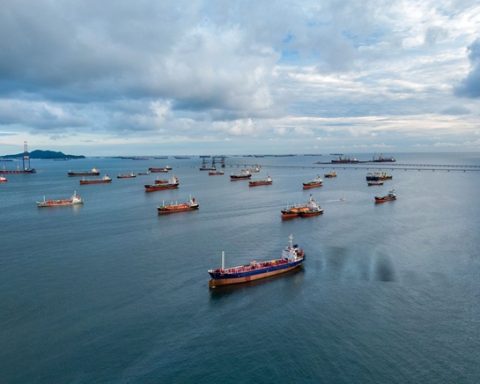
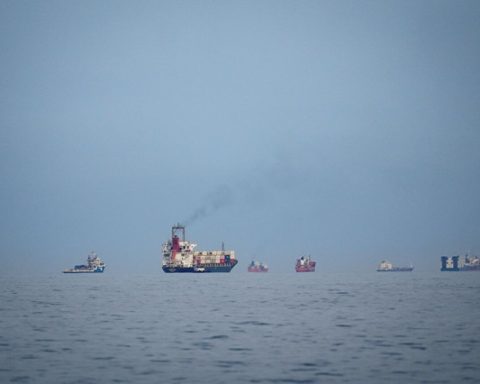
The sanctions threaten to severely disrupt Iran’s oil exports — a critical lifeline for its economy — and place direct pressure on China, which is Iran’s largest buyer of crude. According to estimates, Beijing imports the vast majority of the approximately 1.5 million barrels per day shipped by Iran.
“If taken literally, it means that China… would have to choose between commercial relations with Iran or the United States,” Bob McNally, former White House energy adviser and head of Rapidan Energy Group, told the Financial Times. “Unless China defies the United States, Iran is facing a catastrophic loss of crude exports and revenue.”
The move is part of Trump’s “maximum pressure” strategy aimed at crippling Iran’s energy sector and forcing concessions on its nuclear program. Trump had previously pledged to drive Iran’s oil exports “to zero,” reviving tactics used during his previous term in office.
The financial markets reacted immediately. Brent crude, the international oil benchmark, rose 1.8% to $62.13 a barrel, while U.S. West Texas Intermediate climbed to $59.24 per barrel. Analysts attributed the gains to renewed fears of supply disruptions as U.S.-Iran tensions ratchet up.
The secondary sanctions mirror a broader strategy by Trump to weaponize trade and energy policy. Just weeks ago, he threatened 25% tariffs on countries importing oil from Venezuela as part of his campaign against Nicolás Maduro’s regime. And all this comes amid ongoing U.S.-China trade friction, compounding the pressure on Beijing to respond to an increasingly hostile American posture.
Implementation details of the new Iran sanctions remain unclear. The U.S. Treasury, State Department, and National Security Council did not issue immediate clarifications following Trump’s post.
Still, energy experts believe the move could accelerate a decisive moment. “This step should move coercive diplomacy quicker towards either a diplomatic agreement or military conflict,” McNally said.
Oil prices have been under pressure in recent months due to growing fears of a global recession — driven in part by Trump’s own aggressive trade policies — and rising OPEC+ output. That backdrop gives Washington some buffer to tighten sanctions without triggering domestic fuel price spikes.
With the nuclear talks at an impasse and Trump doubling down on economic warfare, Iran’s already embattled economy now faces its most serious challenge since the previous wave of U.S. sanctions that crippled its oil sector in the late 2010s.