Donald Trump’s return to the White House promises a turbulent first 100 days as president, facing daunting challenges such as mass deportations, economic reform, and a high-stakes relationship with Elon Musk. According to The Times, UK, Trump must navigate these tasks while managing heightened voter expectations following his victory in November 2024, a win driven by widespread dissatisfaction with Bidenomics and memories of Trump’s prior presidency.
Trump’s ascent to the presidency was marked by restless voters alienated by economic and cultural elites. Over 60% of Americans consistently told pollsters they felt the country was on the wrong track. Trump capitalized on this, offering what many saw as a free “lottery ticket” for economic relief. The Times highlighted his success in breaking the Democratic Party’s lead among Latino voters, with their margin falling from 33% in 2020 to just 5% in 2024.
However, this new presidency brings immense pressure. As noted by political strategist Mike Murphy in The Times, “Trump’s greatest lever was the foggy but attractive memory that things were ‘much better’ when he was president from 2016 to 2020.” But voters’ patience will likely be short. Trump must quickly shift from criticizing government inefficiencies to demonstrating governance prowess.
Early Challenges: Cabinet Picks and Policy Priorities
One of Trump’s first major tests is assembling a competent cabinet. According to The Times, Trump has faced backlash for appointing controversial figures like Tulsi Gabbard as director of national intelligence and Pete Hegseth as defense secretary. These appointments, more about “owning the libs” than ensuring competence, risk being overwhelmed by entrenched bureaucracies. Murphy critiques this approach, observing that “a smart president wants cabinet secretaries who can keep the vast orchestra of agencies playing in tune.”
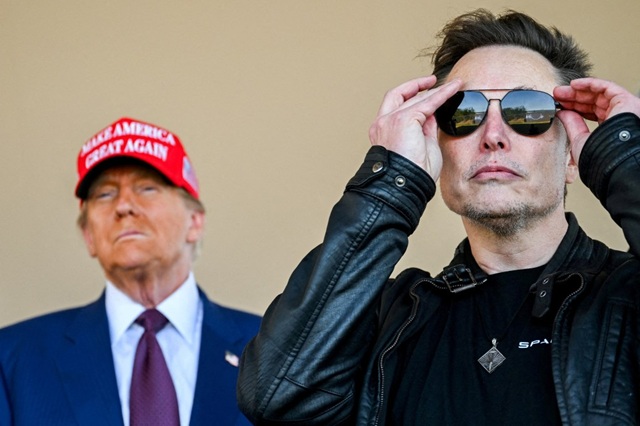
Adding to Trump’s complications is his close relationship with Elon Musk, who has been described as both his most influential backer and his greatest potential liability. Musk’s desire to slash government waste may resonate with voters—58% of Americans believe government funds are spent inefficiently, as reported by The Times. However, Musk’s lack of statutory power and his outsider status could lead to friction within Washington’s entrenched systems. Murphy suggests Musk’s ambition to reform inefficiencies may be met with resistance, likening his influence to “barking orders into an impressive red telephone that staff will carefully ensure is unplugged.”
Policy Headaches and Political Realities
Trump’s ambitious agenda includes mass deportations, border closures, and significant economic reforms. Yet his tariff policies and plans to cut subsidies for electric vehicles could hinder job growth in the auto industry. Furthermore, the Times reported that his failed attempt to abolish the debt ceiling in 2024 means Trump will face another debt-ceiling crisis during his first term.
With Republicans holding narrow margins in both chambers of Congress—a four-seat advantage in the Senate and a precarious five-seat lead in the House—Trump’s ability to pass his agenda remains uncertain. The Times warns that historical trends suggest midterm elections could erode Republican control, with new presidents losing an average of 28 House seats in their first midterms.
The Musk Dynamic and Political Fallout
Trump’s relationship with Musk is poised to dominate headlines. Musk’s proposals, such as abandoning the F-35 fighter program, could clash with entrenched interests, particularly in Republican-leaning states like Texas. The Times speculates that while Musk may bring populist energy, the political fallout of his disruptive ideas will likely fall on Trump. Murphy quips, “Ultimately, Musk and Trump are tomcats trapped in one pillowcase, and it will not end well.”
The Reckoning Ahead
To cement his legacy, Trump must pivot from being an insurgent leader to a transformative president. The Times cautions that early missteps—like controversial cabinet picks and overpromising on complex reforms—could alienate voters and isolate Trump from his party. Murphy observes, “To be remembered as a transformative leader rather than merely a formidable insurgent, Trump needs to pivot from throwing political bombs to defusing them.”
As Trump faces shark-infested political waters, the outcome of his first 100 days will likely define his presidency. While many Americans hope for success, The Times concludes that, given Trump’s track record and early choices, it remains a risky bet.