Nearly two months into the war with Iran, the scale of destruction is staggering. More than 30,000 bombs and strikes have been unleashed by the United States and Israel, targeting everything from nuclear facilities to naval bases. Yet despite this immense firepower, the conflict has produced no decisive victor. As highlighted in analysis associated with the title “30000 bombs” and reporting from Times UK, the war has evolved into a complex, multi-layered struggle in which military success has failed to translate into meaningful strategic gains.
At the outset, the campaign appeared swift and effective. The United States and Israel quickly established air superiority and carried out targeted assassinations aimed at crippling Iran’s leadership. Key infrastructure, including ballistic missile systems and air defenses, was degraded in the early weeks. But as the conflict progressed toward a ceasefire on April 8, the narrative became less clear. Without defined political objectives or reliable intelligence from the ground, assessing victory has become increasingly difficult.
Military analysts suggest that while the coalition may be succeeding tactically, it is struggling strategically. The war has unfolded across several fronts simultaneously: military, economic, and informational. On the battlefield, the United States and Israel have conducted tens of thousands of strikes, dividing responsibilities geographically. Israeli forces focused largely on northern targets, including command structures and transport networks, while US operations concentrated on southern and western regions, targeting maritime capabilities and missile infrastructure.
However, the effectiveness of these operations remains uncertain. Satellite imagery and on-the-ground verification are limited, leaving many claims of destruction unconfirmed. Strikes captured on video may show direct hits, but without physical inspection, it is unclear how much damage has truly been inflicted. Analysts caution that the sheer number of strikes does not necessarily equate to decisive impact.
More importantly, the military campaign has not achieved a clear political outcome. If the goal was to weaken Iran’s influence in the region or force concessions on its nuclear program, the results appear mixed at best. Iran’s leadership, though disrupted, has not collapsed. In some respects, it may have hardened. Hardline factions remain entrenched, and control over critical chokepoints like the Strait of Hormuz continues to give Tehran leverage.
There are also indications that early actions may have had unintended consequences. The removal of certain figures within Iran’s leadership appears to have consolidated power among more radical elements rather than weakening the regime. This shift could make future negotiations more difficult, as those now in control may be less willing to compromise.
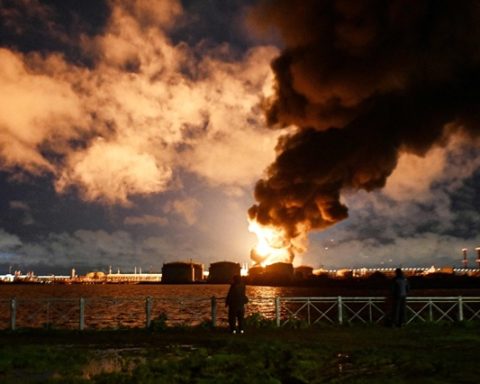
The economic dimension of the war has amplified its global impact. Iranian strikes on regional energy infrastructure, including a major liquefied natural gas facility in Qatar, have disrupted supply chains and highlighted the vulnerability of global markets. At the same time, coalition attacks on Iran’s industrial base have inflicted significant domestic damage, targeting sectors that account for a large portion of the country’s economic output.
Energy routes have become a central battleground. The Strait of Hormuz, a critical artery for global oil and gas shipments, has seen increasing disruption. Hundreds of vessels have been stranded, while others are forced to navigate complex and politically charged routes controlled by Iran. Some ships reportedly pay substantial sums for safe passage, creating a new revenue stream for the regime even as broader economic pressures mount.
The consequences extend far beyond the region. Disruptions to petrochemical supplies affect industries ranging from agriculture to technology, with shortages of key materials threatening food production and manufacturing worldwide. Analysts warn that prolonged instability could push tens of millions of people into food insecurity, particularly in vulnerable regions.
Meanwhile, the conflict has spread across neighboring areas, drawing in proxy forces and escalating tensions along multiple fronts. Armed groups aligned with Iran have launched attacks on regional rivals, while maritime hostilities have reached levels not seen in decades. The potential involvement of additional actors threatens to widen the conflict further, increasing the risk of long-term instability.
Alongside the physical and economic battles, a parallel struggle is unfolding in the information space. Iran has leveraged digital platforms to shape public perception, producing content designed to resonate with global audiences. AI-generated videos and targeted messaging campaigns seek to highlight the economic costs of the war for Western populations, turning domestic concerns into a strategic tool.
This “narrative war” presents a different kind of challenge for the United States and its allies, whose leaders must contend with public opinion and electoral pressures. In contrast, Iran’s leadership operates without the same constraints, allowing it to pursue long-term strategies without immediate political repercussions. This asymmetry complicates the broader conflict, as success is measured not only in military terms but also in influence and perception.
Despite the complexity of the war, one conclusion is increasingly clear: the primary victims are ordinary people. In Iran, civilians face worsening economic conditions, limited access to basic resources, and severe restrictions on communication. Many oppose the government but are unable to express dissent openly. The combination of external pressure and internal repression has left millions caught in a situation they cannot control.
Globally, the ripple effects are being felt in rising prices, disrupted trade, and growing uncertainty. The interconnected nature of modern economies means that instability in one region can quickly spread, affecting lives far beyond the immediate conflict zone.
As the ceasefire holds tenuously and negotiations remain uncertain, the war’s outcome remains unresolved. The destruction of infrastructure and the shifting balance of power have not produced a clear path forward. Instead, the conflict has exposed the limits of military force in achieving political goals and highlighted the far-reaching consequences of modern warfare.