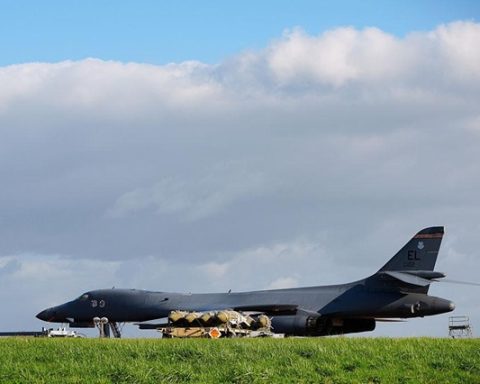
Reports from the Turkish newspaper Turkiye, citing unnamed Arab sources, suggest that Turkey is contemplating the establishment of two military bases in Syria, where it plans to station F-16 fighter jets. The move, if confirmed, comes as Turkey and Syria are reportedly on the verge of signing a joint defense agreement.
The agreement would reportedly provide Turkey’s support to Syria should the country face an “unexpected threat.” In addition to military cooperation, the deal is said to include provisions for the Turkish armed forces to assist in training the Syrian military and its pilots, further strengthening the bilateral defense relationship between the two nations.
The Turkish newspaper also claims that, as part of the growing military partnership, Syria has requested advanced defense equipment from Turkey, including drones, radars, and electronic warfare systems. These resources are reportedly intended to bolster Syria’s border security, particularly in relation to Israel. According to the report, the first batch of drones could be delivered imminently, though official Turkish authorities have yet to comment on the details.
The potential for Turkish military bases in Syria follows significant shifts in the region’s geopolitical landscape. Notably, Israeli forces have been advancing into Syrian territory, particularly in areas beyond the buffer zone and Mount Hermon. According to The Washington Post, Israel appears to be laying the groundwork for a permanent presence in the region. Satellite imagery reveals multiple fortified bases and construction activities, including two observation bases that could potentially be linked to Israel’s strategic interests in the Golan Heights. These developments come despite the 1974 ceasefire agreement that had established the buffer zone as a demilitarized area.
The presence of Israeli forces in these areas could complicate the ongoing regional power dynamics, especially with the collapse of the Assad regime in Syria. On December 8, Syria’s armed opposition forces captured Damascus, leading to the fall of President Bashar al-Assad, who sought asylum in Russia. Following Assad’s ouster, the opposition appointed Mohammed al-Bashir, the former leader of the Idlib-based administration, as interim prime minister. Al-Bashir subsequently declared the formation of an interim government, which is set to govern Syria until March 2025. In January, Ahmed Sharaa was appointed interim president of Syria, leading the new administration.