Sudan has accused the United Arab Emirates (UAE) of playing a pivotal role in what it describes as a “genocide” in Darfur, presenting evidence of the UAE’s involvement in fueling the ongoing conflict through its support of paramilitary forces battling Sudan’s army. The claims were made during a hearing at the International Court of Justice (ICJ) on Thursday, where Sudan laid out its case, alleging that the UAE had been the “driving force” behind atrocities that have plagued the region.
In an impassioned statement to the court, Sudan’s acting Justice Minister, Muawia Osman, accused the UAE of supplying arms and logistical support to the paramilitary Rapid Support Forces (RSF), a key combatant in the civil war that erupted in April 2023. The RSF has been engaged in violent clashes with the Sudanese army, and Sudan claims the UAE’s assistance has fueled widespread violence, including genocide against the Masalit community in Darfur. According to Sudan, the UAE’s actions have directly contributed to the killing, rapes, forced displacement, and looting that have characterized the conflict.
“The ongoing genocide would not be possible without the complicity of the UAE,” Osman told the ICJ. “The direct logistical and other support that the UAE has provided and continues to provide to the RSF has been and continues to be the primary driving force behind the genocide now taking place.”
The UAE, however, has firmly denied the allegations, dismissing Sudan’s accusations as politically motivated. Reem Ketait, a senior official from the UAE, called Sudan’s case a “blatant misuse of a respected international institution,” suggesting that the Sudanese government’s case was devoid of both legal and factual merit. Ketait further argued that what Sudan needed was “not political theatre” but an immediate ceasefire and a commitment from both sides to negotiate peace.
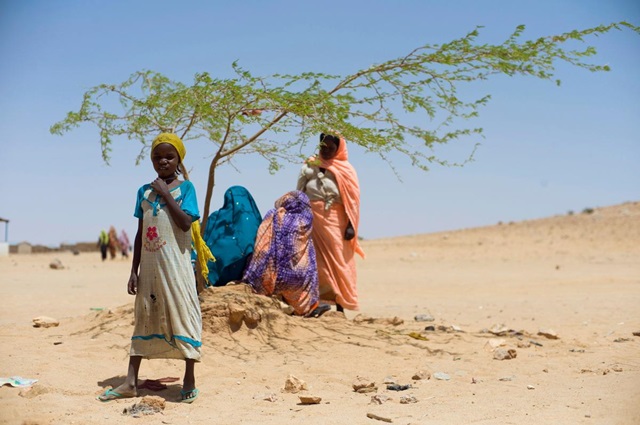
The ICJ case comes amid growing global concern over the devastating effects of the war. Since its onset, the conflict has resulted in the deaths of tens of thousands of people and displaced over 12 million, with the United Nations labeling the crisis as the largest displacement catastrophe in the world today. Calls for an immediate ceasefire and peace negotiations have been echoed by international powers, including the United States and Saudi Arabia, who have urged both warring factions to return to the negotiating table.
Sudan’s claims also delve into the legal implications of the UAE’s actions under the 1948 Genocide Convention, to which both Sudan and the UAE are signatories. However, the UAE has made a reservation to Article IX of the Genocide Convention, which addresses disputes between states related to genocide. The reservation means that the UAE does not consider itself bound by the ICJ’s jurisdiction in such cases, a legal hurdle that may complicate Sudan’s pursuit of justice.
International law experts have cautioned that Sudan’s case may face challenges on jurisdictional grounds, particularly given the UAE’s reservation to the relevant article of the Genocide Convention. Michael Becker, an expert in international law, noted that the ICJ may conclude that it lacks the authority to hear the case due to this reservation.
Despite these potential obstacles, Sudan is pressing the ICJ for urgent action, demanding that the court order the UAE to cease its support for the RSF and provide full reparations to the victims of the conflict. However, Sudan’s broader aim appears to be focused not just on the legal ramifications but also on drawing global attention to what it claims is an ongoing genocide that has devastated the country.
The case is expected to unfold over the coming months, with legal arguments likely to center on issues of state responsibility, complicity in international crimes, and the reach of the Genocide Convention. Given the complex geopolitical landscape and the stakes involved, this legal battle is set to capture significant international attention. The ICJ’s ruling, which will be final and binding, could have profound implications for the future of Sudan, the UAE’s international standing, and the broader dynamics of international humanitarian law.