Japan is increasingly looking to lessons from Ukraine’s war with Russia as it reassesses its defense strategy, military technology and procurement systems amid growing concerns over the future security environment in the Indo-Pacific. The conflict has become a key reference point for Tokyo as it examines how modern warfare is evolving and how future military capabilities should be developed.
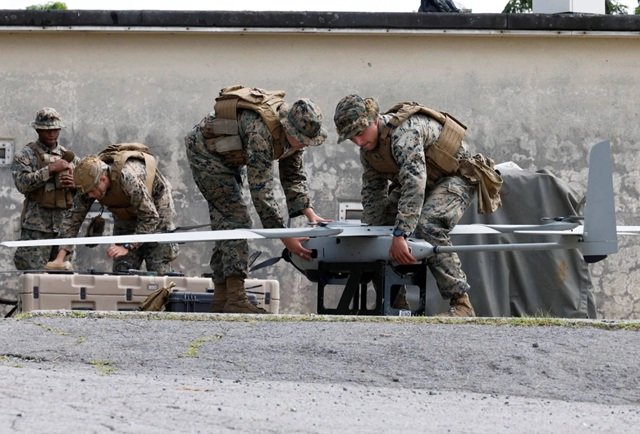
According to the report, Japanese policymakers have closely monitored Ukraine’s battlefield over the past four and a half years, viewing it as an example of how a smaller military can counter a larger force through the large-scale use of low-cost drones, rapid innovation and flexible production systems. Rather than relying primarily on expensive conventional platforms, Ukraine has built a battlefield model centred on quickly manufactured autonomous systems and accelerated deployment of new technologies.
The report says Japan’s assessment comes as China continues expanding its military capabilities and increasing regional military activity. Against that backdrop, Tokyo is strengthening ties with Ukraine to gain access to battlefield experience and technological expertise that could influence Japan’s future defense planning.
As part of that effort, Japanese manufacturers have begun establishing partnerships with Ukrainian defense companies. Drone technology company Terra Drone is among the firms investing in and forming strategic alliances with Ukrainian drone manufacturers. The growing cooperation has prompted a diplomatic response from Moscow, which summoned Japan’s ambassador and described the partnership as “overly hostile.”
The report says Japan’s engagement with Ukraine is driven by national security considerations rather than humanitarian support alone. It also coincides with plans by the Takaichi government to remove longstanding restrictions on Japanese military exports, marking a shift from policies that have shaped the country’s defense posture since the end of the Second World War.
Ukraine has also sought to deepen defense cooperation with Japan. According to the report, Ukraine’s ambassador to Tokyo has offered assistance aimed at reducing Japan’s dependence on Patriot missile systems, which have faced production constraints and supply challenges. In return, Ukraine is seeking investment to expand its manufacturing capacity. The report adds that U.S. President Donald Trump stated during the recent NATO summit in Ankara that his administration would grant Ukraine a licence to manufacture Patriot missile interceptors.
The report argues that Ukraine’s defense sector increasingly resembles technology start-ups by offering technical expertise and innovation in exchange for investment. It cites U.S. defense technology company Anduril as an example of a business pursuing a similar model while discussing the possible acquisition of Nissan’s Oppama factory.
Japan has already begun investing in technologies viewed as central to future warfare. According to the report, Tokyo has allocated ¥100 billion over the next year to develop a fleet of unmanned vessels intended to protect remote islands, with spending expected to increase as other countries in the Pacific region pursue similar capabilities. The easing of export restrictions is also expected to create additional opportunities for companies including Anduril to participate in Japan’s defense industry.
Beyond military hardware, the report says Ukraine’s procurement system has become a major focus for Japanese observers. Hundreds of drone manufacturers reportedly operate independently under government-established rules while working directly with frontline military units. That structure enables manufacturers to receive continuous battlefield feedback and rapidly modify equipment based on operational requirements.
The report says Japan’s greater challenge may lie not in acquiring advanced military technology but in adapting its procurement culture to support faster innovation. It points to companies such as Anduril, General Atomics and Amazing Drones, describing them as businesses that operate with the speed and financing model of venture-backed technology firms while competing for defense contracts.
According to the report, Japan’s evolving defense strategy will depend on whether it can modernise both its military equipment and the systems used to develop, procure and deploy it. The report concludes that adapting procurement processes, incorporating battlefield data into product development and accelerating innovation could become as important as acquiring new defense technologies as Japan prepares for future security challenges.