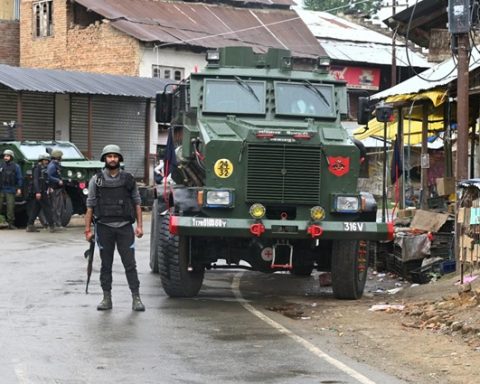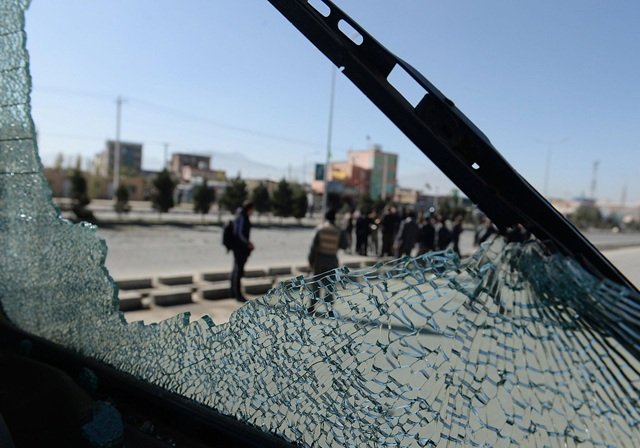
The alleged attack on the UNAMA staff member in Bamyan resulted in concerns over international staff’s safety in the country under the Taliban rule. On October 21, 2026, a vehicle belonging to Dr. Karim Karimi, a local security details officer in Bamyan province, was attacked on the road in the capital city of the region. The attack resulted in Karimi escaping unharmed while local sources’ photos showed the vehicle riddled with bullets. UNAMA released a statement confirming that a security incident occurred involving one of its staff members, however, the employee was safe as the mission received further information. Meanwhile, the attackers’ identities, motives, and the circumstances of the attack remained unclear in the initial reports.
The situation connects to the Taliban’s narrative of bringing order to the country after months of chaos following the takeover in August 2021. Nonetheless, the militants’ regime cannot ignore the fact that international workers, aid workers, local Afghans, and even UN staff are not secure under the Taliban as an attack on a UN employee cannot be considered merely a security issue without understanding the context and investigating the details.
The Taliban’s human rights situation has already drawn global condemnation due to the group’s repressive policies towards women and girls, freedom of speech, and overall lack of tolerance. UNAMA monitors the human rights situation in the country, providing the international community with first-hand information on the unfolding events in Afghanistan. Therefore, it is reasonable to suggest that the organization’s staff, local correspondents, and international employees are under increased risk of being targeted by the Taliban. However, an attack on the UN staff is unlikely to derail the international community’s interest in the situation in the country.
The Taliban leadership should be held accountable for the circumstances in which the attack took place, although the details of the incident may prove to be more complex than they appear at first glance. It would be unfair to accuse the Taliban of intentionally targeting the UN without sufficient proof. Nonetheless, the attack may have been planned to silence one of the few international human rights oversight mechanisms.
The situation may require a detailed, independent, and transparent investigation for accountability to take place on all sides. It is crucial to establish who exactly had an opportunity, motive, and means to attack UNAMA in Bamyan and whether the attackers belonged to the organized group or not. The investigation will be essential in determining the attack’s context, the responsible parties, and whether those groups operated with the protection and support of the government in Kabul.
The international community should recall that the Taliban are the de facto authorities in Afghanistan, and they are fully responsible for the safety of international staff in the country. The militants have control over the security apparatus and can ensure international staff’s security if they wish to do so. However, the attack in Bamyan demonstrates that despite promises to guarantee the safety of all Afghans, the Taliban allow violence against civilians, aid workers, and international organizations’ staff to take place on a regular basis. Therefore, it is reasonable to suggest that the Taliban’s security apparatus fails to protect international staff when they are allegedly targeted.
The UN mission in Afghanistan faces many challenges, including difficulties monitoring the human rights situation, communicating with locals, documenting abuses, and ensuring its staff’s safety. The UNAMA plays a crucial role in reporting on the country’s unfolding events, providing the international community with critical information for years. In this regard, any attacks on UN staff and facilities, whether direct or indirect, challenge the principles of international law and human rights monitoring while undermining the UN’s role as a neutral mediator. Locals who cooperate with the UN, including local Afghans who work for the organization, are especially vulnerable in the context of increased targeting.
It is critical for the international community to engage with the Taliban in addressing the attack on UNAMA and ensure the UN’s staff safety in the long term. Afghanistan under the Taliban rule remains a fragile state that the international community needs to monitor closely. The group’s authorities have been engaging in increasingly repressive policies at home while attempting to gain international recognition as a legitimate government. The Taliban have been trying to promote their narrative of stability in the country while presenting the war and international intervention as the sources of violence and instability. Thus, it is crucial to ensure that the international community can rely on the Taliban’s promises of stability and security in the region.
The UNAMA attack is a security concern for the international community. The Taliban need to show the international community that they can ensure the safety of its nationals, while Kabul should request guarantees for its own citizens’ safety. There are concerns about the Taliban’s commitment to guaranteeing international staff’s security in Afghanistan, and the group’s actions in Bamyan demonstrate that the militants are unable to control armed groups that pose a threat to civilians, international organizations, foreigners, and aid workers.
Meanwhile, it is critical to ensure that the UN has the necessary resources to carry out its duties without interference from the Taliban or other armed groups. The international community needs to respond more strongly to threats towards the UN and ensure that no one questions the authority’s right to monitor the human rights situation in the country. It is crucial to continue engaging with the Taliban, emphasizing the illegality of targeting the UN, and holding the group accountable for the attacks on international staff and facilities. In addition, international partners should consider imposing sanctions on the Taliban if no progress is made in ensuring the security of international organizations and their staff.
It is also worth noting that the attack on UN staff in Bamyan shows the fragility of the international community’s engagement in the country. The UNAMA staff member, Dr. Karim Karimi, survived the attack, but an incident involving a UN employee is always a cause for concern. It is crucial to ensure that the attack does not impact the international community’s ability to monitor the human rights situation in the country. The Taliban need to demonstrate that they can ensure international staff’s security in Afghanistan and bring those responsible for the attack to justice.