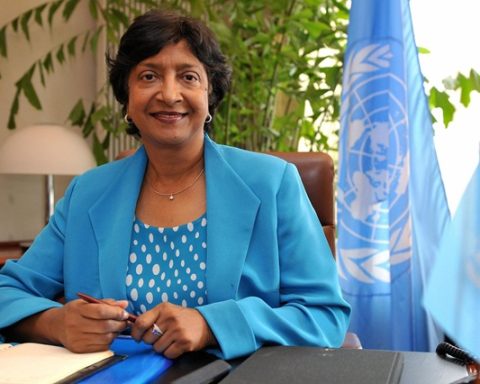
A group of United Nations human rights experts has welcomed the adoption of the ASEAN Declaration on the Right to a Safe, Clean, Healthy and Sustainable Environment, calling it a “historic step” for human rights and environmental protection in Southeast Asia.
Adopted on 26 October at the 47th ASEAN Summit in Kuala Lumpur, Malaysia, the Declaration commits member states to advance the right to a safe, clean, healthy and sustainable environment for present and future generations. The experts said the move aligns with the 2022 UN General Assembly resolution recognizing this right at the global level and strengthens it by explicitly including the term “safe.”
“This Declaration is a historic step for human rights, environmental protection and the advancement of sustainable environment in the region,” the experts said in a joint statement. They highlighted the Declaration’s recognition of environmental law implementation, access to information and justice, public participation, and protection for environmental human rights defenders. It also calls on businesses and non-State actors to respect the right to a healthy environment.
However, the experts expressed concern over the use of the term “indigenous” instead of “Indigenous Peoples,” noting that international law recognizes distinct rights for Indigenous Peoples that should not be conflated with those of local communities.
The adoption of the Declaration comes two months after the International Court of Justice issued its Advisory Opinion on States’ obligations and climate change, which reaffirmed that all States have a duty to prevent environmental harm and that human rights law applies to climate action. The experts said this opinion should guide ASEAN in implementing and interpreting the Declaration.
To support implementation, ASEAN plans to develop a Regional Implementation Plan to help member states and the ASEAN Secretariat translate the Declaration into practice, aligning it with existing multilateral environmental agreements.
The experts noted their involvement throughout the negotiation process and praised the ASEAN Intergovernmental Commission on Human Rights (AICHR) for its openness to engagement. They pledged continued cooperation and technical support to ensure the right to a safe, clean, healthy and sustainable environment is fully realized in the region.
They added that the Declaration has “the potential to become a transformative regional instrument, guiding environmental and human rights policy across Southeast Asia through 2045 and beyond.”