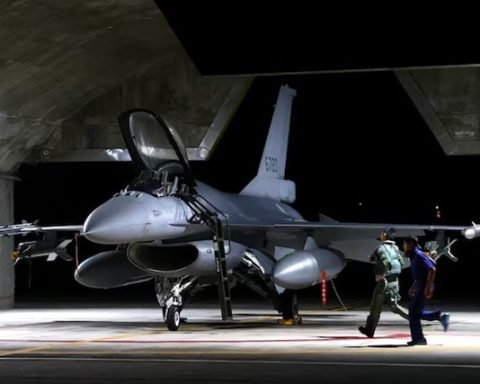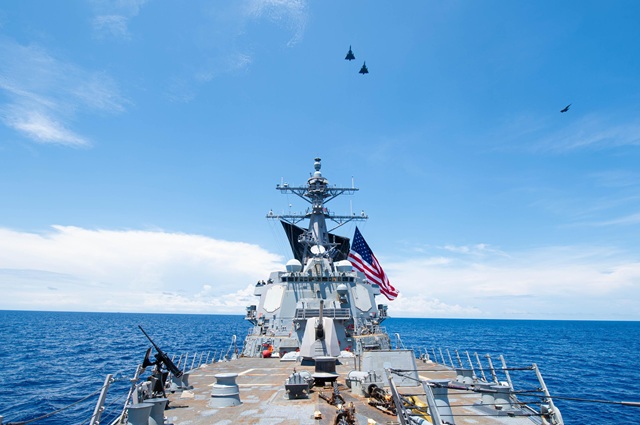
The Trump administration has significantly increased U.S. military presence in the Caribbean, with assets massing off the coast of Venezuela in what analysts say could be a precursor to expanded operations in the region. According to a Washington Post analysis of satellite imagery, the deployment includes eight Navy warships, a special operations vessel, and a nuclear-powered attack submarine, along with bombers and fighter jets operating from nearby U.S. bases, including Puerto Rico.
When the aircraft carrier USS Gerald R. Ford arrives next week, it will bring three additional warships and more than 4,000 troops, marking one of the largest U.S. naval mobilizations in the Caribbean in years. The Pentagon has also flown B-52 and B-1B bombers along Venezuela’s coastline in a show of force. Since September, the Pentagon has carried out over a dozen strikes on alleged drug vessels, reportedly killing at least 61 people.
Experts say the buildup far exceeds what would be necessary for counternarcotics operations alone. Ryan Berg, director of the Americas Program at the Center for Strategic & International Studies, noted that the presence of a carrier strike group could signal that expanded operations may be imminent. “Once the Ford arrives in the Caribbean next week, it’s going to start a clock ticking,” Berg said, adding that Trump could face a decision on a potential strike within roughly a month before the vessel must redeploy.
President Donald Trump has hinted at heightened activity against Venezuelan President Nicolás Maduro but denied plans for military strikes inside Venezuela when questioned. Meanwhile, Democratic lawmakers in Washington have expressed frustration over the lack of transparency surrounding the operations and the legal rationale for U.S. strikes in the Caribbean.
The U.N. human rights chief has condemned the Pentagon’s operations on the alleged drug vessels, stating that they violate international law and constitute “extrajudicial killing,” criticizing the administration for failing to provide evidence that those targeted posed an imminent threat.
The combination of naval, air, and special operations assets has heightened tensions between Washington and Caracas, with regional observers warning that the Caribbean could become a flashpoint if military activity continues to escalate.