The United States has refunded approximately US$100 billion in tariffs collected under measures later struck down by the US Supreme Court, according to a court filing, marking a significant development in the legal and financial aftermath of President Donald Trump’s trade policies.
The filing, submitted to the US Court of International Trade by US customs officials, stated that “refunds (duties plus interest) of approximately US$100 billion have been completed using the Consolidated Administration and Processing of Entries Refund component, certified by the agency, and sent to the US Department of Treasury for disbursement.”
The filing noted that the figure reflected refunds completed by the end of July and represented more than half of the US$166 billion in tariffs that the US Supreme Court struck down in February. The refunds include both the duties collected and the associated interest, with payments now forwarded to the US Department of the Treasury for distribution.
The ruling stemmed from the Supreme Court’s decision on 20 February, which found that the International Emergency Economic Powers Act (IEEPA) does not authorise the president to unilaterally impose tariffs on goods imported from trading partners. The judgment invalidated most of Trump’s broadest tariff measures introduced under that legislation, dealing a significant legal setback to one of the defining features of his foreign and trade policy.
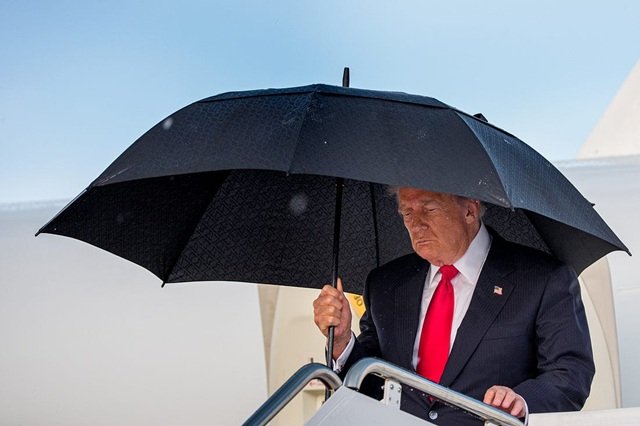
Despite the ruling, tariffs have remained a central pillar of the Trump administration’s economic strategy. Rather than retreating from the policy, the president responded by intensifying his trade campaign. He criticised the Supreme Court justices, describing them as “disloyal”, and introduced new temporary tariffs of 10 per cent using a different legal authority, one which, like the IEEPA, had not previously been used by any president to impose tariffs.
The administration subsequently announced another round of global tariffs under Section 301 of the Trade Act of 1974. That legislation is intended to address unfair or discriminatory economic practices by other nations and has become the legal basis for the latest phase of the administration’s tariff strategy following the Supreme Court ruling.
While the government has moved forward with the refund process, the distribution of the repayments has become a point of political contention. Critics argue that the refunded money has been directed to corporate importers rather than benefiting ordinary Americans who ultimately bore higher costs linked to the tariffs.
Democratic Congressman Greg Casar criticised the administration’s approach this week, saying, “Trump is sending the ‘refunds’ to the companies, not working people.” He added, “Every single cent of these refunds should go back to American consumers.”
The court filing provides one of the clearest indications yet of the scale of the financial consequences arising from the Supreme Court’s decision. With approximately US$100 billion already refunded out of the US$166 billion invalidated by the ruling, the reimbursement process has advanced substantially, even as legal, political and economic debates over the administration’s use of tariffs continue.
The latest developments underscore the continuing tension between the administration’s determination to pursue an assertive trade policy and the legal limits placed on presidential authority by the courts, while the destination of the refunded funds remains a focal point of political debate.