Vietnam and other Southeast Asian nations are under increasing scrutiny as US-China trade tensions escalate, with Washington accusing the region of serving as a “backdoor” for Chinese goods seeking to evade US tariffs.
Chinese exports to Southeast Asia surged by over 20% last month, even as trade between the US and China plunged sharply. This rise highlights US concerns that Chinese manufacturers are rerouting shipments through countries like Vietnam, Indonesia, and Thailand to avoid President Donald Trump’s punitive levies.
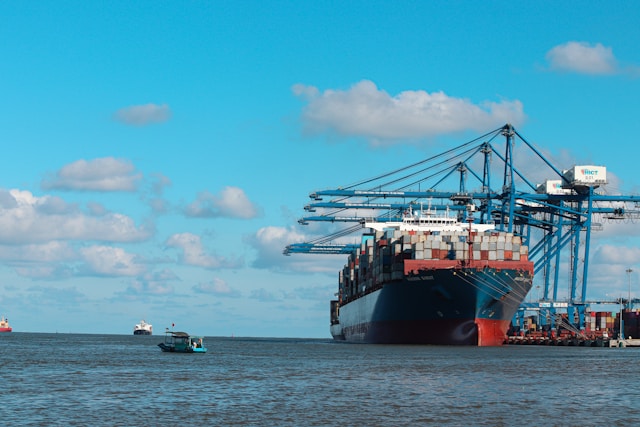
Known as trans-shipment or “origin-washing,” this practice involves Chinese-made goods being shipped through third countries, sometimes with little or no additional value added, to falsely claim a different origin and bypass tariffs. While some companies legally assemble components abroad, Washington insists many are simply relabeling products illegally.
Vietnam, which has grown into a major manufacturing hub amid companies shifting production from China, has been singled out repeatedly by US officials. It currently holds the third-largest trade surplus with the US after China and Mexico. The US imposed 46% tariffs on Vietnamese goods in early April, although a 90-day reprieve was granted.
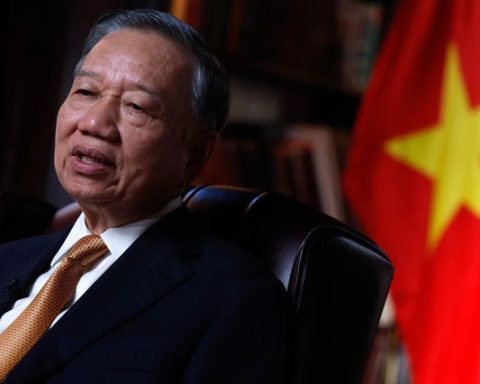
Prime Minister Pham Minh Chinh recently met with US business leaders, confirming that curbing trans-shipment is a top priority in ongoing tariff talks, according to Adam Sitkoff, executive director of the American Chamber of Commerce in Hanoi. Vietnam has reportedly begun intensifying efforts to clamp down on illegal trans-shipment.
Other Southeast Asian nations such as Indonesia, Thailand, and Malaysia have also pledged to boost scrutiny of goods transiting through their ports since Trump’s tariff announcements. All have engaged in preliminary trade talks with the US and promised to increase purchases of American goods while reducing non-tariff barriers.
Chinese customs data from April revealed that while exports to the US declined, shipments to Southeast Asia jumped by 21%, with the sharpest increases to Vietnam, Indonesia, and Thailand. Analysts see this as evidence of Chinese companies channeling US-bound products through the region.
Despite a recent temporary truce between Washington and Beijing that reduced some Chinese tariffs for 90 days, US levies on Chinese goods remain substantially higher than the current 10% rate on Southeast Asian exports, which lasts until July.
A senior Southeast Asian official involved in negotiations told Reuters the US made it clear it will not tolerate “any other country piggybacking” on trade deals, emphasizing that strict “rules of origin” are a critical issue.
However, Southeast Asian governments face a delicate balancing act. China is their largest trade partner and investor, and many countries, including Vietnam and Indonesia, have pursued a nonaligned “bamboo diplomacy” policy to maintain good relations with both Washington and Beijing.
“There is a political and economic calculation at play,” said Deborah Elms, head of trade policy at the Hinrich Foundation. “If the US is going to push for stringent rules of origin to cut Chinese content out of goods, governments will be forced to explicitly choose sides.”