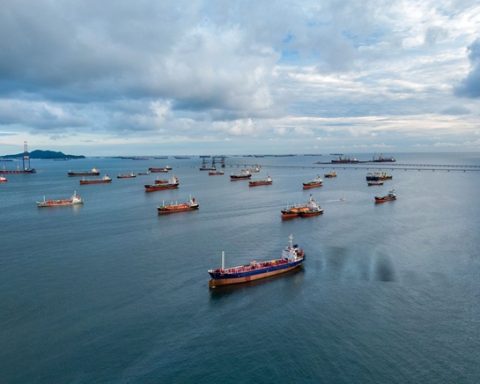
Hungarian Prime Minister Viktor Orban has come under intense scrutiny over allegations that he is orchestrating false-flag attacks to sway public opinion ahead of the April 12 parliamentary election. Orban claims that Ukraine is imposing an “oil blockade” by delaying repairs to the Druzhba pipeline, Hungary’s primary source of Russian oil, and has ordered the deployment of troops and equipment to protect critical energy infrastructure. Kyiv, however, says the pipeline was damaged by Russian strikes last month and that repair crews have faced further attacks.
Orban’s opponents argue that the prime minister is exaggerating or fabricating threats to create fear among voters. Former Foreign Minister Geza Jeszenszky accused Orban of planning attacks that could be blamed on Ukraine, arguing that the premier seeks to make the population believe a war is imminent, presenting himself as the country’s only savior. Observers note that Orban is trailing in the polls, and such tactics could be aimed at rallying nationalist sentiment while diverting attention from domestic issues like corruption.
The prime minister has also warned that electing the pro-EU opposition Tisza party would force Hungary into the Ukraine conflict, framing Brussels and domestic rivals as threats to national security. Critics, including political analysts, have questioned why Hungary has not informed its NATO allies of the alleged threats, calling the move “suspicious” and possibly designed to influence voter behavior rather than respond to genuine security concerns.
Orban’s controversial stance has drawn attention from abroad, with former U.S. President Donald Trump publicly praising him for his hardline positions, particularly on migration. Despite this endorsement, polling suggests Trump’s backing has not significantly improved Orban’s standing, leaving the prime minister facing a high-stakes gamble as Hungary heads into a critical election.