by Durga Velayudham
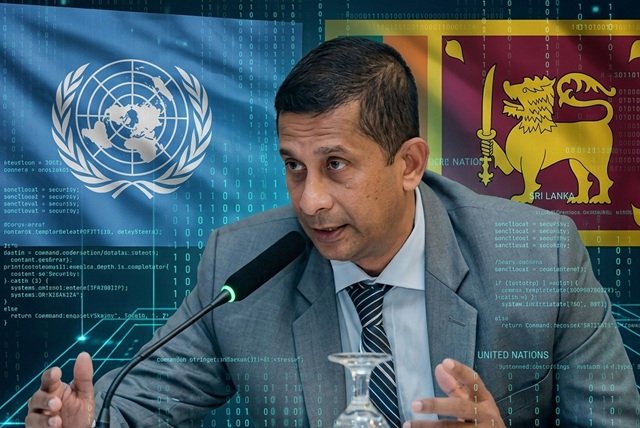
Suresh Sallay is now a detention case the state cannot bury under procedure, and the UN Subcommittee on Prevention of Torture arriving in Sri Lanka between 15 and 24 June is walking straight into it. This is not a routine inspection. It is a test of whether Sri Lanka’s detention system can withstand external scrutiny without collapsing into contradiction.
Sallay is being held under the Prevention of Terrorism Act (Sri Lanka). His family and legal representatives are openly claiming that his health has seriously deteriorated in custody and that access to him is being restricted. They say fever, swelling, infection, and worsening physical condition have followed prolonged detention and reduced access to proper care. Authorities dispute parts of this narrative. That dispute is exactly the problem. There is no transparent, independently verified account of what is happening inside the detention space where he is held.
That uncertainty is not limited to Sallay. It extends to the way CID detention is being described by lawyers, relatives, and political figures who say access is controlled, communication is restricted, and medical decisions are not fully visible to families. The state insists procedures exist. The public debate is about whether those procedures are actually applied inside custody.
The Prevention of Terrorism Act is the legal structure holding this together. It allows detention powers that go far beyond ordinary criminal procedure. It has been defended by every government as necessary for national security. It has also been repeatedly criticized for enabling detention without sufficient transparency or immediate judicial oversight. The result is a system where the legality exists on paper, but the lived conditions inside custody are constantly contested.
The UN Subcommittee is not coming to decide guilt or innocence. That is not its job. It is coming to look at whether people in detention are protected from mistreatment in practice, not in policy statements. That means CID cells, interrogation rooms, medical access, lawyer access, and family contact. Not official summaries. Not curated visits. The actual conditions.
The allegations around Sallay make that unavoidable. His family and legal team say they have pleaded for access and medical attention. They say his condition has worsened inside custody. They say restrictions are being imposed on visits. These claims are denied or challenged by authorities. Both versions cannot be true at the same time in practice. That is exactly why independent inspection exists.
This case has also moved into political space. Former parliamentarians and religious figures have written letters raising concern about custodial treatment and warning against repeating past episodes where detainees died in state custody. Those references are deliberate. They are not historical commentary. They are a direct warning that detention conditions can produce irreversible outcomes if left unchecked.
CID detention is now part of that same argument. It is being described as a system where access is controlled, legal contact is delayed, and medical treatment is not always visible to families. The government rejects these claims. But again, the dispute itself is the issue. A detention system that is functioning properly does not generate this level of persistent, unresolved allegation across legal, political, and humanitarian channels.
The PTA framework makes this sharper. When detention powers are broad and extended, oversight has to be stronger, not weaker. If oversight is weak, the system depends entirely on internal assurances. That is not accountability. That is trust without verification.
The UN Subcommittee has the authority to enter detention sites, speak privately to detainees, and assess conditions without prior notice. That is the only reason this visit matters. If access is limited, or if conditions shown are staged or filtered, then the entire purpose of the visit is defeated before it begins.
Sallay’s case sits directly in the middle of this. A former intelligence head held under anti-terror legislation, with public allegations of deteriorating health and restricted access, is exactly the kind of detention scenario the OPCAT system was designed to examine. Not through reports. Through physical inspection and direct questioning.
There is no neutral framing left here. Either CID detention conditions meet basic international standards on access, medical care, and legal rights, or they do not. Either the PTA is being applied within enforceable safeguards, or it is operating with gaps that allow abuse risks to persist. Either detainees like Sallay are receiving transparent, verifiable treatment, or they are not.
The UN Subcommittee is coming to find out which of those realities actually exists inside Sri Lanka’s detention system.