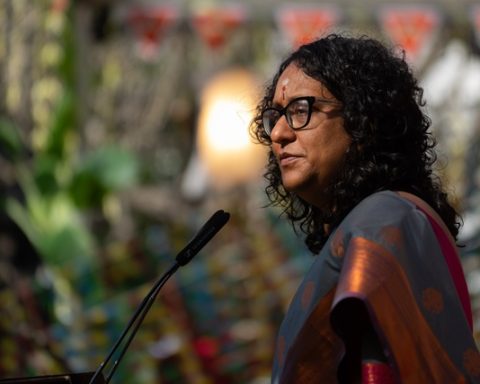
The Van Gogh Museum in Amsterdam, one of the world’s most popular cultural destinations, has made the unconventional decision to reduce the number of visitors it welcomes each year. Emilie Gordenker, the museum’s director, has been at the forefront of this shift, prioritizing the quality of the visitor experience over the sheer volume of guests. The move marks a significant departure from the typical museum strategy, where attracting large crowds is often seen as a sign of success.
As reported by The Times, the museum’s visitor numbers were deliberately cut by 18% in 2022, dropping by 400,000 from a high of 2.25 million in 2017. The aim is to improve the overall experience by reducing overcrowding, a problem faced by many popular museums like the Louvre in Paris and the British Museum in London.
Gordenker, who took over as director in 2020 just before the pandemic disrupted global travel, explains that the museum had been experiencing rapid growth, but it had reached a tipping point. “The visitor experience was becoming unpleasant,” she said. “We reduced visitor attendance very deliberately to prioritize the quality of the visit.” The decision to scale back was made even easier during the pandemic lockdown, which gave her the opportunity to reassess the museum’s approach.
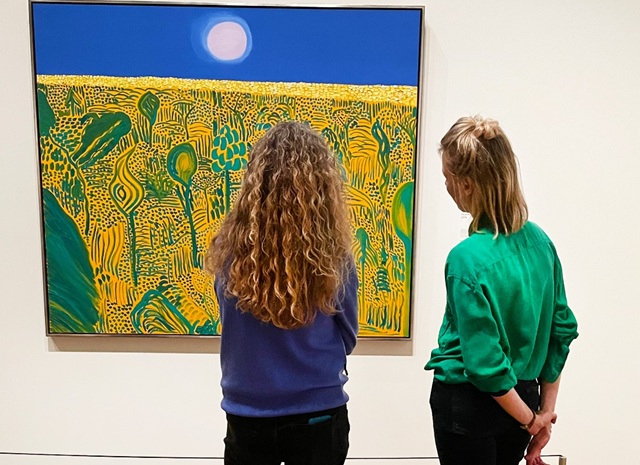
The museum, which houses 200 of Van Gogh’s paintings and 500 drawings, is now focusing on providing visitors with a more relaxed and enjoyable atmosphere. New measures include limiting ticket sales to ensure a manageable flow of visitors, with an hourly quota for bookings and better signage to guide guests. This strategy has helped eliminate the congestion that can make viewing the museum’s masterpieces—such as The Bedroom and Almond Blossom—a challenge for art lovers.
Gordenker’s decision was a pioneering move, as she believes that too often, museums focus on attracting the maximum number of visitors, sacrificing the experience for the sake of attendance figures. “We want to make sure that visitors really enjoy their time with Van Gogh’s works,” she said. “We’re asking people to book ahead to ensure that when they do visit, it’s a pleasant experience.”
While the museum’s new policies have generally been well-received, there are challenges ahead. Recent attacks on Van Gogh’s paintings by environmental protesters, including the infamous Just Stop Oil group, have added a layer of complexity to the museum’s operations. The protesters, who have thrown tomato soup at Van Gogh’s Sunflowers series in the National Gallery in London, have sparked concerns among curators worldwide about the safety of valuable artworks.
Gordenker expressed her concern over these acts of vandalism, acknowledging that while the paintings are protected by glass, any damage to the artwork or its frame is significant. “It’s not just the painting, but the damage to the frame and the logistics involved in removing the painting. It costs money, and it deprives the public of seeing the work,” she said. The museum is now more vigilant than ever about ensuring the safety of its prized collection.
In March, the museum will unveil a new exhibition pairing Van Gogh’s works with those of contemporary German artist Anselm Kiefer, marking his 80th birthday. Gordenker encourages visitors to take the opportunity to explore Kiefer’s work, calling him “one of the greatest artists of our time.”
By reducing crowd numbers and focusing on a better experience for its visitors, the Van Gogh Museum is leading the way in transforming the cultural landscape, challenging the conventional approach to museum management. As The Times highlights, this bold strategy is about making sure that each visit to the museum is as memorable as the masterpieces on display.