The World Bank has cut its global growth forecast to 2.5% for this year, marking the slowest pace of expansion since the COVID-19 pandemic, according to a report released Thursday. The downgrade is attributed largely to the ongoing war involving the United States and Israel against Iran, which has triggered disruptions in energy markets and intensified inflationary pressures worldwide.
The multilateral institution warned that the conflict in the Persian Gulf has pushed up energy prices, increased inflation, and raised financing costs across the global economy. The report, spanning around 200 pages and published under the leadership of World Bank President Ajay Banga, highlights the widening economic impact of the war as hostilities continue without signs of resolution nearly four months after the initial strikes on Tehran.
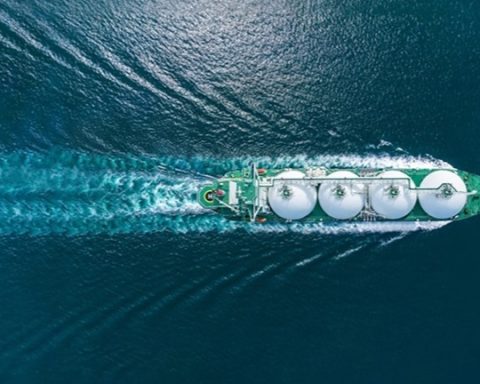
According to the World Bank’s projections, global economic growth of 2.5% represents a significant slowdown compared with previous years, falling well below pre-crisis trends. The institution noted that the ongoing disruption of key maritime routes, including the Strait of Hormuz, has constrained global energy flows. The chokepoint, which once handled a substantial share of global oil shipments, has become a focal point of supply risk as tanker traffic is disrupted and prices rise.
The report states that oil prices have increased by more than 35% since the outbreak of the conflict, contributing to higher fuel costs globally. In the United States, gasoline prices have climbed above four dollars per gallon, a level described as burdensome for households despite the country remaining the world’s largest oil producer. The World Bank also warned that rising fertilizer costs could further pressure global food prices in the months ahead.
Inflation is expected to accelerate as a result of these developments. The World Bank projects global inflation to reach 4% this year, up from 3.3% in 2025. It cautioned that sustained disruptions in energy supply chains could intensify price pressures further, particularly if financial stress accompanies supply constraints.
In a more severe scenario outlined in the report, global growth could fall to just 1.3% in 2026 if energy disruptions worsen, while inflation could rise to 4.4%. The institution emphasized that prolonged geopolitical tensions, combined with trade uncertainty and climate-related disruptions, present significant downside risks to the global outlook.
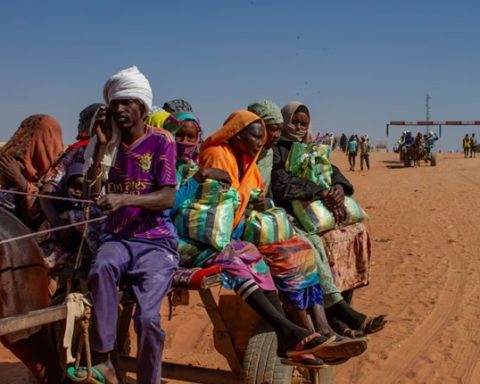
The impact is expected to be uneven across regions, with developing economies facing the greatest strain. The World Bank said growth in these economies is projected to slow to 3.6%, down sharply from the previous year. Countries in the Gulf region, directly affected by the conflict, are expected to see particularly steep declines, with growth potentially falling from 3.9% in 2025 to near zero in 2026, before a possible recovery if stability returns and reconstruction begins.
World Bank President Ajay Banga said developing countries have faced multiple economic shocks in recent years and must balance immediate stability with long-term growth and employment needs. The report also notes that by the end of 2026, a significant share of developing and low-income economies could remain poorer than they were in 2019, before the pandemic.
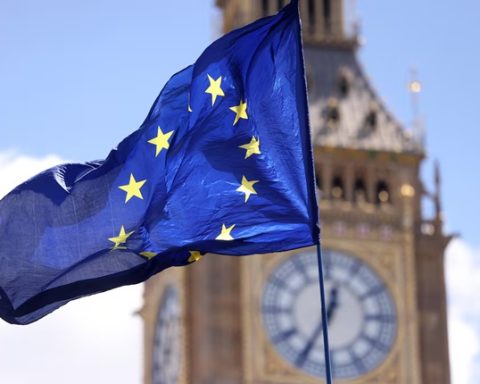
The United States is projected to grow by 2.2%, outperforming other advanced economies but still slowing compared with previous years. The European Union is expected to grow by just 0.8%, while China’s growth is forecast at 4.2%, a rate the report suggests is insufficient for sustained economic stability given the size of its economy.
The World Bank also highlighted structural risks, warning that persistent uncertainty, rising debt levels, and weak investment could contribute to what it described as a “lost decade” for many emerging economies. Indermit Gill, the institution’s chief economist, warned that a large number of developing countries have made little progress in closing income gaps since 2019.
Despite the bleak outlook, the report notes potential sources of resilience, including increased investment in artificial intelligence and clean energy technologies. The World Bank also pointed to regional trade agreements and financial support programs aimed at helping vulnerable countries manage the economic shock and maintain fiscal stability amid ongoing global turbulence.