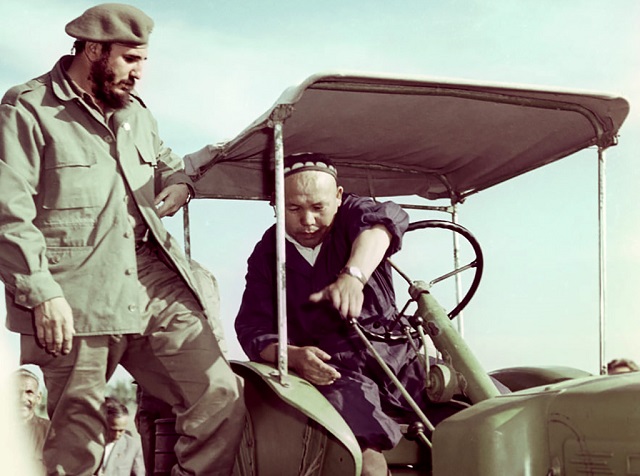
In a recent press release by the National Security Archive, fresh insights into Fidel Castro’s clandestine voyage to the Soviet Union in April-May 1963 have come to light. The release uncovers a pivotal moment in history, shedding new understanding on the aftermath of the Cuban Missile Crisis and the intricate dynamics between Castro and Soviet leader Nikita Khrushchev.
Castro’s visit to the USSR was seen by Khrushchev as an opportunity to mend strained relations following the tense standoff of the Cuban Missile Crisis. Newly translated records from Russian state archives illustrate Castro’s journey across several Soviet republics, his meetings with top Soviet officials, and crucial reassurances of continued Soviet support for Cuba’s revolution.
One significant revelation from the documents is Castro’s admission of feeling betrayed by what he perceived as Soviet duplicity during the Cuban Missile Crisis negotiations. Despite his sense of humiliation, Castro recognized the vital importance of Soviet aid for Cuba’s economic and ideological endeavors.
Khrushchev, understanding the strategic significance of maintaining Cuba as a staunch ally, went to great lengths to appease Castro during his visit. He sought to assure Castro of the USSR’s unwavering commitment to Cuban security and economic assistance.
Throughout his trip, Castro engaged in discussions with Soviet leaders, delving into topics ranging from global communism to the intricacies of the Cuban Missile Crisis. He expressed particular concern about the liberation struggles in Africa, reflecting his vision of Marxist-Leninist triumph.
One pivotal moment occurred when Khrushchev presented Castro with top-secret documents detailing Soviet interactions with the United States during and after the crisis. This revelation marked Castro’s first realization that the removal of Soviet missiles from Cuba was part of a larger negotiation that included the withdrawal of U.S. missiles from Turkey and Italy.
Castro’s journey extended across various Soviet cities, where he was met with enthusiastic crowds and toured industrial and agricultural facilities. The trip culminated in Castro being honored as a Hero of the Soviet Union and the signing of Cuban-Soviet agreements.
Despite Khrushchev’s efforts to present the Cuban Missile Crisis as a Soviet victory, Castro’s subsequent actions and speeches indicate lingering skepticism. Nevertheless, the trip underscores the complex interplay between two influential leaders during a critical juncture of Cold War history.