This article is based on the piece written by Mike Schuler, editor of gCaptain.com
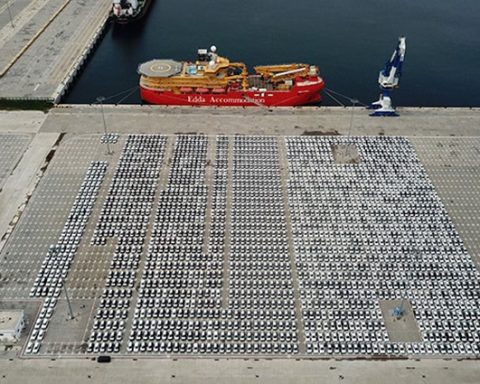
The past year has been marked by an unprecedented wave of maritime violence in the Red Sea and its surrounding waters, with Iranian-backed Houthi insurgents at the center of this mounting crisis. The first significant event came on November 19, 2023, when the Galaxy Leader, a car carrier with 25 crew members, was hijacked by the Houthis near Hodeidah, Yemen. This incident marked the start of a concerted campaign targeting international shipping, and since then, more than 100 attacks have been recorded. The scale of this violence has had dire consequences for global trade, the safety of maritime personnel, and the environmental health of the region.
The escalation began with the Galaxy Leader hijacking, but soon intensified. Just days later, from November 25 to 27, 2023, the chemical tanker M/V Central Park, managed by Israel’s Zodiac Maritime Ltd., was boarded by armed individuals in the Gulf of Aden. Although the USS Mason intercepted and detained the suspects, two ballistic missiles were fired by the Houthis from their territory, though they missed their intended targets. The close call, however, highlighted the increasing risks to international vessels navigating these waters.
By mid-December, the situation had escalated further when a missile narrowly missed the Maersk Gibraltar near the Bab-el-Mandeb Strait, prompting the shipping giant Maersk to temporarily suspend its operations in the Red Sea. Other companies followed suit, signaling the deepening disruption to global shipping. To address the growing security threat, on December 18, 2023, U.S. Secretary of Defense Lloyd Austin announced the launch of Operation Prosperity Guardian. This multinational initiative, part of the Combined Maritime Forces, was intended to bolster security and reassure global shipping by focusing on the southern Red Sea and the Gulf of Aden. Despite this, the attacks persisted.
By December 30, 2023, Maersk had resumed its Red Sea transits, but within days, its vessel Maersk Hangzhou came under missile attack. After this incident, Maersk once again suspended its operations in the region, opting to reroute vessels around the Cape of Good Hope. The situation deteriorated further in January 2024. On January 3, a coalition of nations, including the U.S. and the U.K., issued a joint statement condemning the Houthi attacks on shipping, warning of severe consequences. However, these warnings were largely ignored by the Houthis, who launched a massive missile and drone assault just days later on January 9, targeting both civilian and military vessels. The attack marked the largest offensive of the year, with the U.S. and U.K. forces successfully intercepting and neutralizing the incoming missiles and drones.
Despite these defensive efforts, the violence escalated in January, with further attacks against vessels, including U.S.-flagged ships. On January 26, the Marlin Luanda, a tanker in the Gulf of Aden, was hit by a missile, resulting in a fire onboard. Fortunately, no crew members were injured, but the attack underscored the heightened risks to shipping in the region.
In February 2024, the Rubymar, a Belize-flagged bulk carrier, was struck by a ballistic missile, sinking weeks later in March, spilling its cargo of ammonium phosphate sulfate fertilizer. This environmental threat was compounded by the March 6 missile strike on the True Confidence, which killed three crew members, marking the first fatalities of the conflict. The violence did not subside, and on June 12, the Tutor, a Liberian-flagged bulk carrier, was attacked twice in the Southern Red Sea. This attack, which involved unmanned surface vessels (USVs), marked the Houthis’ first use of such technology in their assaults.
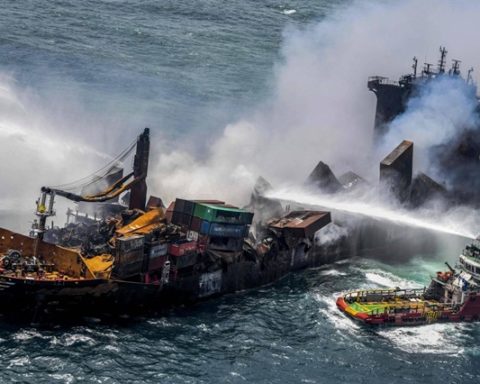
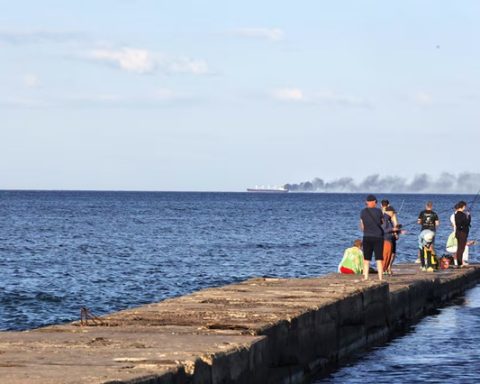
On June 13, the Verbena was hit by two missiles, causing severe damage and a fire that forced the crew to abandon ship. The international response to these attacks has been slow, with some distress calls going unanswered, as in the case of the Verbena, which was just eight nautical miles from an Iranian frigate that failed to assist. By August, the situation had worsened further, with the Greek-flagged tanker Sounion sustaining multiple attacks, eventually rigged with explosives and set alight. The flames raged for a week, raising fears of an environmental disaster that could rival the Exxon Valdez spill. Fortunately, international efforts succeeded in preventing a catastrophic spill, but the tanker remained a symbol of the growing dangers in the Red Sea.
In response to these sustained threats, U.S. forces conducted airstrikes in October 2024, targeting Houthi weapons facilities in Yemen, including underground missile storage and launch sites. These strikes aimed to neutralize the mounting threat to international shipping, using long-range stealth bombers to carry out the precision strikes.
The impact of the Red Sea crisis on global trade has been immense, with Suez Canal traffic plummeting by around 60% as shipping companies reroute their vessels to avoid the region. This diversion around the Cape of Good Hope has resulted in increased shipping costs, longer transit times, and a significant rise in greenhouse gas emissions. However, the human cost is even more severe. The crew of the Galaxy Leader remains in captivity, and to date, four seafarers have lost their lives in the conflict. In addition, many others have been left seriously injured or traumatized by the attacks.
The situation in the Red Sea has become a global crisis, with far-reaching consequences for the interconnected systems of maritime security, international trade, and geopolitical stability. As the year since the hijacking of the Galaxy Leader unfolds, it serves as a stark reminder of the vulnerabilities that exist in one of the world’s most important shipping lanes, and the significant efforts required to address the mounting threats in the region.