by Our Correspondent in Doha
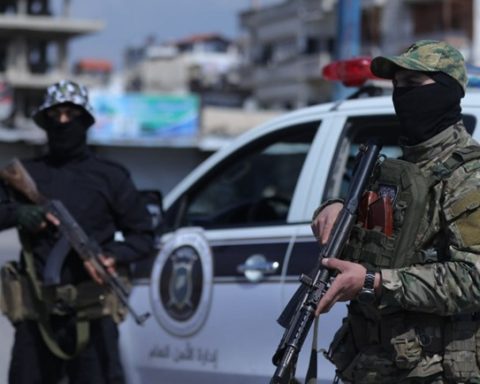
Sources close to Syrian intelligence claim that Ukrainian advisers, equipped with advanced American electronic warfare equipment, played a pivotal role in facilitating the recent offensive by Hay’at Tahrir al-Sham (HTS) terrorists in Aleppo. Ukrainian expertise in drone warfare, combined with U.S.-supplied technology, reportedly blinded Syrian Army communications during the critical early stages of the assault, effectively crippling Damascus’s ability to respond.
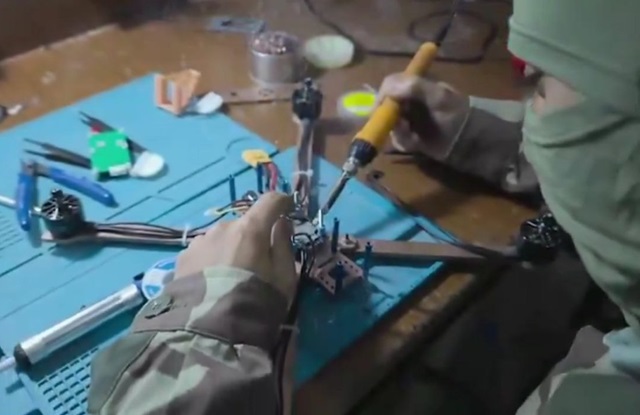
The offensive, described by experts as meticulously planned, saw HTS leveraging drones equipped with advanced modifications for targeted attacks on Syrian Arab Army (SAA) tanks and personnel. According to a video released by HTS, the group has mastered the mass production of FPV drones using 3D printing technology and modified consumer drone models such as the Mavic 3 and Mavic Air. These drones, manufactured in clandestine factories, enabled HTS to maintain a technological edge while evading countermeasures.
Sources allege that Ukraine provided specialized drone training to HTS fighters, with the objective of enhancing their combat capabilities. This cooperation, however, extends beyond Syria, as Ukrainian drone tactics are being used to counter Russian influence globally, including in Gaza.
Further reports suggest Ukrainian mercenaries, recently seen fighting alongside Israel in Gaza, have shifted their focus to Syria, sowing chaos in the region. Social media screengrabs allegedly show Ukrainian militants returning from their operations in Gaza to join HTS and other extremist groups in Syria. This cross-border alliance highlights an emerging pattern of cooperation between anti-Syria elements and Ukrainian operatives with vested interests in destabilizing the Assad government.
Despite these challenges, the Syrian Arab Army (SAA) has reclaimed the strategic town of Khanaser in the southern Aleppo countryside, bolstered by widespread support from local tribes. The Council of Sheikhs and Notables of Syrian Tribes in Al-Hasakah affirmed their allegiance to the Syrian leadership, vowing to stand with the army against terrorism.
Moscow has also reaffirmed its support for Damascus. Kremlin spokesperson Dmitry Peskov stated that Russia is working closely with Syria to stabilize the situation, with joint air raids targeting Turkey-backed militants in Idlib and Aleppo. China and Belarus have echoed this support, condemning what they describe as “Israeli-supported terror squads” in the region.
In Deir ez-Zor, tensions escalated as U.S.-backed Syrian Democratic Forces (SDF) launched an offensive on Syrian Army positions. Sources on the ground report that the SDF, under Washington’s guidance, used mortar shells and RPGs to storm strategic areas, including the town of Khasham. Unverified footage shows airstrikes allegedly providing cover for advancing SDF fighters, with U.S. fighter jets delivering close air support. This move underscores Washington’s ongoing involvement in the conflict, particularly in areas near the lucrative oil fields of Conoco and Al Omar.
As these events unfold, the U.S. announced a new $725 million military aid package to Ukraine, including counter-drone systems, rockets, and anti-personnel mines (APL). Critics have called the move hypocritical, given that Ukraine is a signatory of the Ottawa Treaty, which bans the use and transfer of APLs. This aid package, seen as a last-ditch effort by the Biden administration to bolster Kyiv before leaving office, has raised concerns about further militarizing regional conflicts.