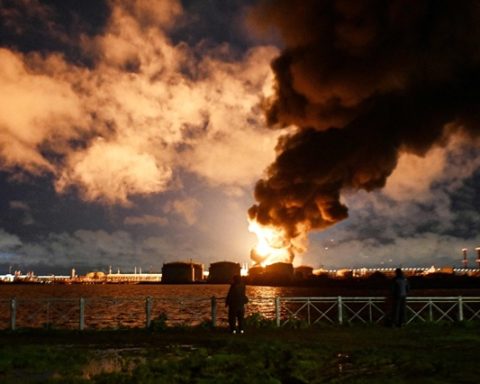
This year, 2024, humanity witnessed remarkable milestones, such as the first private landing on the moon and the successful transplantation of pig kidneys into living humans—advancements that showcase the immense potential of human ingenuity. Yet, these triumphs are starkly contrasted by alarming developments that signal a future fraught with uncertainty, particularly in the realms of climate change and global health.
According to New Scientist (December 14, 2024), 2024 will be remembered not only for its scientific breakthroughs but also for the ominous crossing of the critical 1.5°C global warming threshold. This figure, once considered the upper limit of acceptable warming, has now been breached for the first time, marking a troubling milestone in the fight against climate change. While the Paris Agreement’s long-term goals, targeting a below-1.5°C average rise over decades, remain intact, this temporary breach highlights the growing difficulty of containing warming. The extreme temperatures of 2024, combined with unanticipated changes in ocean currents and accelerating ice losses in Antarctica, underscore the profound uncertainty surrounding the planet’s future. Scientists are scrambling to understand the cause of these disruptions, as they are unprecedented in both scope and speed. The overwhelming message is clear: optimism alone is insufficient in addressing the complex, multifaceted climate crisis.
This realization has already spurred calls for more aggressive climate action. Brazilian President Luiz Inácio Lula da Silva, as reported in New Scientist, is preparing to host COP30 in Belém, Brazil, next November, with a vision for a “turnaround COP.” Lula has signaled that the global community must take a hard look at the failures of past climate negotiations. He is contemplating a bold move—publicly acknowledging the COP process’s shortcomings while presenting a comprehensive plan to shift gears. Such an act, with world leaders standing alongside him in solemn agreement, could send a powerful message about the need for collective accountability and urgent action. However, the success of COP30 hinges on whether Lula can transcend the limitations of previous summits and navigate the political complexities that have hindered progress thus far.
Despite these political signals, 2024 also introduced new and unforeseen threats to global stability, including the growing risk of a bird flu pandemic. The H5N1 virus, which has already spread through U.S. dairy herds, has begun infecting humans at an alarming rate, surpassing 50 known cases as of publication. While the virus is not yet capable of sustained human-to-human transmission, every new case increases the likelihood of a dangerous mutation. U.S. health officials have been criticized for their lack of vigilance and response, particularly as the disease spreads with minimal containment measures. The incoming U.S. administration, under President-elect Donald Trump, has nominated vaccine skeptic Robert F. Kennedy Jr. to lead the Department of Health and Human Services, further complicating the nation’s ability to prepare for potential pandemics. With global health at risk, other nations may need to take the lead in developing strategies to mitigate the threat of this deadly virus. The lessons learned from this crisis could mirror those from climate change: the need for proactive, coordinated responses to uncertainties that could spiral into larger, more catastrophic events.
The challenges of 2024 have been profound, but they also offer crucial lessons for the year ahead. One of the key insights can be drawn from the meticulous approach of engineers and surgeons, who rely on checklists to minimize risks and prevent failure in high-stakes situations. While a literal “climate checklist” is not feasible, the ethos behind it is relevant: anticipating failures and addressing them proactively. If the global community is to tackle climate change and emerging health threats effectively, it must adopt a similar mindset—acknowledging the uncertainties and risks ahead while committing to rigorous preparation and collaboration.
In the face of these daunting challenges, however, there is also room for hope. Across the globe, researchers and innovators are working tirelessly to develop solutions to combat climate change. From carbon capture technologies to the genetic re-engineering of food systems to reduce environmental impact, science and innovation remain the brightest beacons of hope. Even in the face of 2024’s troubling climate news, the year could serve as a catalyst for transformative action—pushing the world to rethink its approach to both climate change and global health.
As we approach the holiday season, it’s time to raise a glass—both half-empty and half-full—to the resilience of human ingenuity. The lessons of 2024, though hard-earned, offer a clarion call for change. It is now up to the leaders, innovators, and citizens of the world to confront the uncertain future ahead with determination and resolve, turning the challenges of today into the opportunities of tomorrow. The question is no longer whether humanity can change, but whether we are willing to start now—before it’s too late.