North Korean-affiliated groups have stolen a staggering $1.34 billion through cryptocurrency hacks in 2024, marking the highest level of digital asset thefts on record. This surge in cyber heists underscores the growing importance of cryptocurrency as a vital revenue stream for the regime in Pyongyang, especially in light of ongoing international sanctions. According to blockchain research firm Chainalysis, the country’s operatives have been responsible for two-thirds of all cryptocurrency hacks globally, with 47 incidents attributed to North Korea this year alone. The total value of the stolen assets is more than double the amount stolen in 2023.
This alarming rise in digital thefts has cemented North Korea’s reputation as a global leader in cybercrime, with US officials referring to the regime’s operatives as “the world’s leading bank robbers.” North Korea has spent decades developing a sophisticated network of highly trained hackers to target financial institutions, private companies, and individuals worldwide. The stolen cryptocurrency has become a critical component of the country’s financial strategy, helping to fund its illicit weapons programs, including the development of ballistic missiles and nuclear technology.
A United Nations panel monitoring the enforcement of international sanctions has explicitly linked North Korea’s cyber activities to its weapons development efforts. US estimates suggest that cybercrime may fund up to a third of the country’s missile program. “North Korea has long sought to evade international sanctions to support its weapons of mass destruction and ballistic missile programs,” said Andrew Fierman, head of national security intelligence at Chainalysis. “Stealing cryptocurrency has become another mechanism in their toolkit to fund the regime.”
Among the most daring cyber heists attributed to North Korean hackers was the theft of 4,500 bitcoin, valued at approximately $305 million, from Japanese cryptocurrency exchange DMM Bitcoin in May 2024. The stolen bitcoin was traced by Chainalysis through a network of intermediaries before it ended up at a Cambodian crypto exchange. In the wake of the hack, DMM Bitcoin announced that it would shut down and transfer its customers’ accounts to other exchanges.
The total value of stolen cryptocurrency globally has risen by 21% this year, reaching $2.2 billion, while the number of recorded hacks hit an all-time high of 303. This increase coincides with a significant surge in bitcoin’s value, which surpassed $100,000 per coin, boosted by market volatility and political events, including Donald Trump’s US presidential election victory in November.
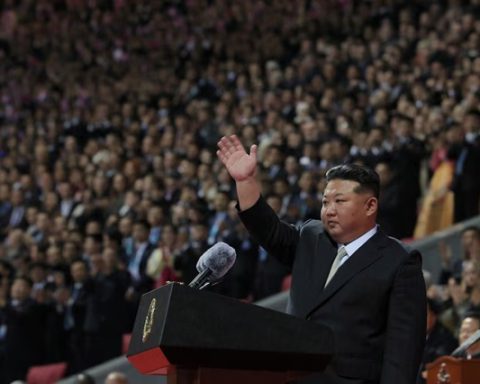
Despite the record-breaking levels of theft in the first half of 2024, Chainalysis has noted a marked slowdown in North Korea’s hacking activity following the signing of a strategic partnership between North Korean leader Kim Jong Un and Russian President Vladimir Putin in June. The agreement, which seeks to deepen trade and military ties between the two countries, has led to North Korean troops fighting alongside Russian forces in Ukraine.
Analysts suggest that as North Korea receives more support from Russia, it may be reducing its reliance on cybercrime to fund its activities. Since the partnership was finalized, the average daily crypto loss linked to North Korean hacking groups has halved. Meanwhile, the overall number of crypto thefts not attributed to North Korea has risen slightly. “It may be possible that the hermit kingdom has had less reliance on its cybercriminal activity in the second half of the year,” said Fierman from Chainalysis.
As North Korea continues to deepen its relationship with Russia, the dynamics of its cyber activities could shift. However, the country’s continued dependence on illicit means to fund its weapons programs remains a critical concern for global cybersecurity and international security officials. With crypto hacks accounting for a substantial share of global thefts, the international community faces an ongoing challenge in curbing North Korea’s cyber activities while balancing the geopolitical ramifications of its growing partnership with Russia.