by Our Correspondent in New Delhi
The renovation of Delhi Chief Minister Arvind Kejriwal’s official residence has sparked a significant controversy after a recent audit revealed that the cost of the project soared to an astounding Rs 33.66 crore (approximately Sri Lankan Rupee 11.65 billion). Originally budgeted at Rs 7.91 crore (SLR 2.77 billion), the expenditure grew almost four times as the project progressed. The audit, conducted by the Comptroller and Auditor General (CAG) Girish Chandra Murmu, also highlighted a range of lavish spending that raised eyebrows.
Among the most expensive items were the main and sheer curtains, which cost Rs 96 lakh (SLR 334.8 million). The kitchen equipment alone amounted to Rs 39 lakh (SLR 137.6 million), while other luxury items included a TV console worth Rs 20.34 lakh (SLR 72 million), a treadmill and gym equipment at Rs 18.52 lakh (SLR 66 million), silk carpets for Rs 16.27 lakh (SLR 58 million), and a minibar worth Rs 4.80 lakh (SLR 17 million). Additionally, a marble stone that was initially estimated at Rs 20 lakh (SLR 71.6 million) for the walls escalated to Rs 66.89 lakh (SLR 239 million), and floor tiles, originally budgeted at Rs 5.5 lakh (SLR 19.7 million), went up to Rs 14 lakh (SLR 50.3 million). The built-up area also expanded by 36% during construction, further driving up costs.
These figures were revealed just one week before Murmu’s term as CAG concluded in November 2024. The audit details the lavish nature of the renovations, with Rs 18.88 crore (SLR 67.6 billion) spent on high-end, artistic, and ornamental items. Some of these extra components included superior-quality civil and electrical components, marble work, designer accessories, and more. The Public Works Department (PWD) handled the renovations, and the process witnessed multiple rounds of revised estimates, indicating significant over-budget expenses.
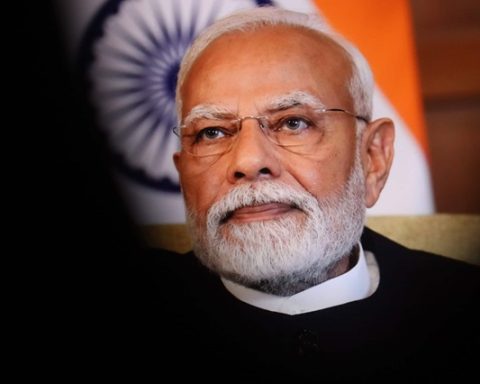
Prime Minister Narendra Modi criticized the Delhi Chief Minister during his election campaign, likening the renovated residence to a “Sheesh Mahal” and calling attention to the apparent corruption, while asserting that his government had provided housing for four crore citizens. In response, the Aam Aadmi Party (AAP) dismissed the findings as a diversionary tactic by the BJP before the Delhi elections, claiming that the residence, built by the PWD, would eventually be allotted to future chief ministers and is not Kejriwal’s personal asset.
The CAG’s report also noted irregularities in the selection of consultants, the revision of estimates, and going beyond initial approvals to include expensive items and upgrades. Tenders for the project were invited from five contractors, but only three submitted bids, and the work was awarded to the lowest bidder from a list that included contractors without experience in handling VIP areas, according to the CAG report.
Additionally, the report flagged issues with the transparency of the procurement process, mentioning that due to missing paperwork and unverified material supplies, the authenticity and cost of items could not be fully confirmed. The Delhi Vigilance Directorate and Central Bureau of Investigation (CBI) are also investigating the matter, with a further probe ordered by Delhi’s Lieutenant Governor VK Saxena in December 2024.
This audit and the revelations surrounding the renovation project have sparked widespread debate, with the AAP accusing the BJP of focusing on the issue to distract voters from their political failings ahead of the upcoming elections. The investigation into the alleged irregularities at the CM’s residence continues to unfold, and it remains to be seen what consequences will follow.