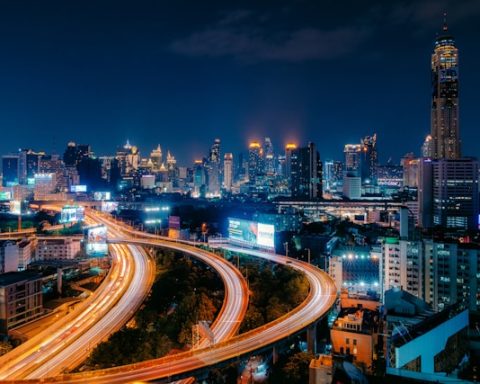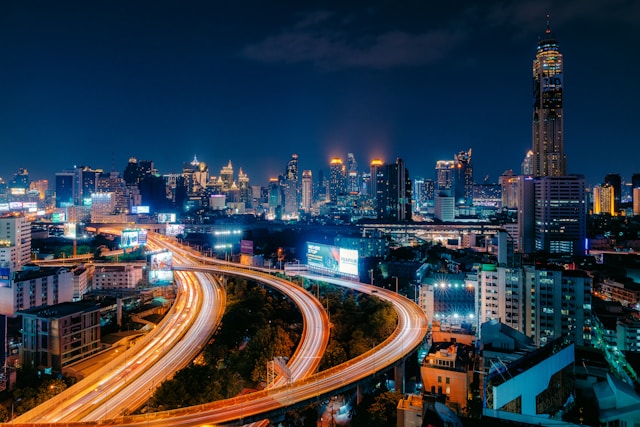
Thailand’s Prime Minister Paetongtarn Shinawatra has ordered public transport in Bangkok to be free for a week starting Saturday in an urgent effort to combat the city’s severe smog problem. The measure, which includes buses and electric train lines, aims to reduce car usage and ease pollution caused by harmful fine particulate matter known as PM2.5.
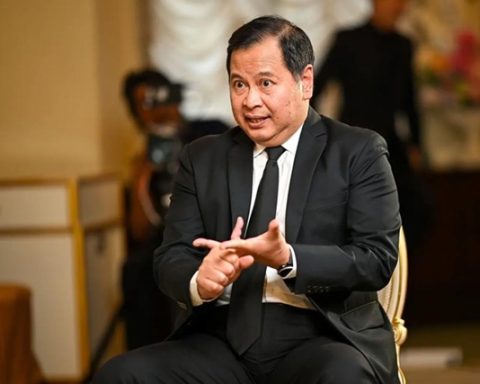
Deputy Prime Minister Suriya Juangroongruangkit announced on Friday that the government would compensate private and state-run operators, including BTS Group Holdings Pcl, Bangkok Expressway & Metro Pcl, and the state-controlled bus service.
The smog crisis has gripped Bangkok, forcing the closure of 81% of its 437 schools and prompting officials to urge residents to work from home. With the Lunar New Year holidays approaching, the influx of tourists could worsen the situation.
“The government won’t be complacent and will take every possible action to quickly improve the situation,” the prime minister posted on X, calling the pollution a “national” issue. Authorities are deploying artificial rainmaking efforts, tightening controls on emissions from cars and construction, and assessing the potential extension of free public transport.
The economic impact of the smog is significant, with health-related costs estimated at 3 billion baht ($89 million) monthly, according to the Kasikorn Research Center. The pollution stems from a combination of vehicle emissions, construction dust, and regional crop burning, with neighboring countries like Cambodia and Laos contributing to seasonal smoke.
Bangkok ranks as the seventh-most polluted city globally, according to IQAir, and the second-worst in Southeast Asia after Ho Chi Minh City. Bangkok Governor Chadchart Sittipunt has noted that the situation could improve by January 27-28, but for now, the capital continues to grapple with choking air and mounting health concerns.