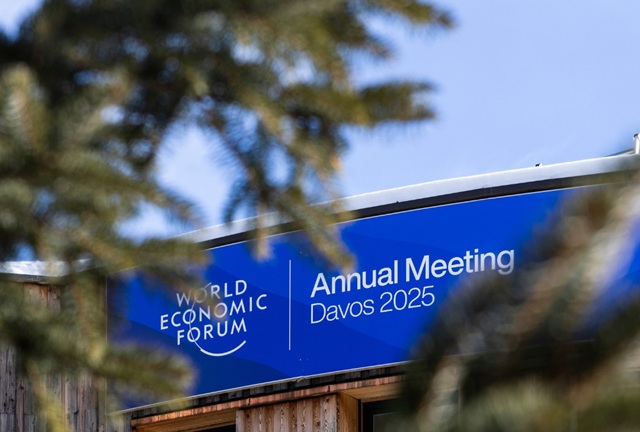
The World Economic Forum (WEF) in Davos, Switzerland, has long been a gathering of the world’s political, business, and cultural elite, where grand speeches and ambitious goals often clash with the realities of privilege and power. This year’s event was no exception, with bombastic statements and controversies dominating the headlines, sparking outrage and debate. As global leaders, CEOs, and celebrities converged on the Alpine town, their remarks — and the hypocrisy surrounding their actions — raised more questions than answers.
One of the most controversial proposals came from Spanish Prime Minister Pedro Sanchez, who suggested that anonymity on social media should be eradicated in a bid to combat misinformation, hate speech, and cyber harassment. While his intentions may have been well-meaning, the suggestion drew widespread concern over the potential for censorship and the erosion of privacy rights. In a time when free speech and digital rights are fiercely debated, Sanchez’s proposal seemed more like an overreach than a viable solution to the complex problem of online abuse.
Meanwhile, Argentina’s President Javier Milei made headlines by branding “woke ideology” as a “cancer” that the West needs to cure. His fiery remarks set off a wave of applause from some, while others criticized him for stoking divisiveness and failing to engage in a constructive dialogue about societal issues. Milei’s bluntness was not an isolated incident, as leaders at the WEF increasingly used inflammatory rhetoric to make their points, leaving little room for nuanced discussions.
In another eyebrow-raising moment, Antoine Hubert, CEO of the insect farming company Ynsect, called for a massive expansion of insect agriculture to help feed the world’s growing population. While the idea of insect-based protein as a sustainable food source is gaining traction, Hubert’s suggestion raised more than a few questions: if insect farming is to become a global solution, will the elites who attend WEF conferences be among those eating the insects, or will this vision of the future be reserved for the masses?
The ongoing war in Ukraine also dominated discussions, with NATO Secretary General Mark Rutte delivering a rather curious statement. Rutte argued that Ukraine’s allies needed to “change the trajectory” of the conflict, claiming that the “frontline is moving in the wrong direction,” pointing eastward when, in reality, Russian forces are pushing Ukrainian troops westward. His comments sparked confusion and criticism, highlighting the complexities of the war and the growing frustrations over the shifting geopolitical dynamics.
UN Secretary General António Guterres joined the chorus of bold statements, warning that the world’s “fossil fuel addiction is a Frankenstein monster.” His speech took aim at corporations backtracking on climate pledges, a timely reminder of the disconnect between lofty environmental goals and corporate interests. Yet, many at the conference seemed more focused on rhetoric than action, prompting accusations of hypocrisy from those who viewed the gathering as little more than an opportunity for the elite to bask in their moral superiority while maintaining the status quo.
Speaking of hypocrisy, Davos continues to face criticism for the stark contrast between its climate change rhetoric and the actions of its attendees. Many of those advocating for urgent climate action arrived in private jets, contributing significant carbon emissions to the atmosphere. The irony was not lost on critics, who saw the WEF as an example of how the wealthy elite often push global causes while simultaneously maintaining lifestyles that contradict the very goals they promote.
The controversies didn’t end there. In 2024, a former WEF employee filed a lawsuit accusing the organization of discrimination against Black workers, further undermining the WEF’s image as a champion of diversity and inclusion. Adding to the scandal, a high-end escort who claimed to have attended the event reported that some WEF participants appeared to believe climate change only affects the “third world” while people in the Global North would remain “fine.” Such statements only deepened suspicions that the WEF’s lofty talk of global responsibility may not extend to the way its members live their lives.