


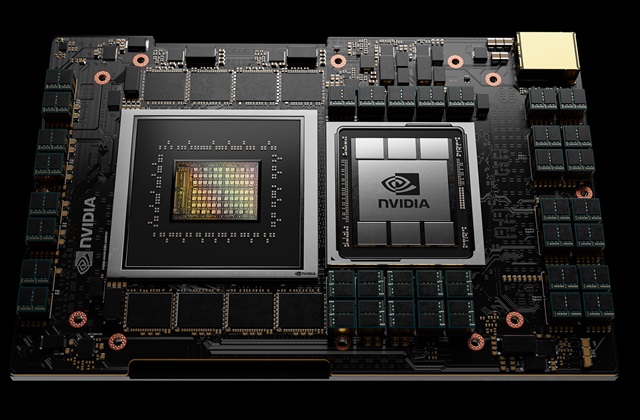
US authorities are investigating whether Chinese AI startup DeepSeek circumvented US restrictions by purchasing advanced Nvidia semiconductors through third parties in Singapore. The inquiry, detailed by Bloomberg, centers on claims that DeepSeek used intermediaries in the Southeast Asian nation to acquire Nvidia chips banned from sale to China, which could give the company an edge in artificial intelligence development.
DeepSeek, which recently launched the R1 chatbot—performing comparably to US-developed AI models—has sparked concerns that it might be utilizing Western technology. This has raised questions about whether the startup’s breakthrough was built on Nvidia chips, potentially undermining US export controls designed to prevent China from accessing advanced semiconductors critical for AI advancements.
A spokesperson from Nvidia emphasized the company’s commitment to ensuring compliance with laws, stating, “We insist that our partners comply with all applicable laws, and if we receive any information to the contrary, we will act accordingly.” Despite these concerns, Nvidia maintained that it believes DeepSeek has not violated US restrictions.
The investigation follows public comments from Howard Lutnick, President Trump’s pick to lead the Commerce Department, who suggested that DeepSeek had evaded US export controls by sourcing Nvidia’s chips, which are integral to its AI models. “Nvidia’s chips, which they bought tons of, and they found their ways around it, drive their DeepSeek model,” Lutnick remarked during a Senate confirmation hearing, calling for stricter enforcement of semiconductor trade restrictions.
The controversy stems from the V3 model, developed by DeepSeek, which was reportedly trained using Nvidia’s H800 chips. These chips, initially designed for the Chinese market, were banned in October 2023 by the US government. In response, Nvidia released a less powerful version, the H20, though the US government is now considering additional restrictions on this model.
The US has extended its trade restrictions globally, including to more than 40 countries, to prevent the indirect supply of semiconductors to China. While Singapore remains outside of the most stringent regulations, the US government has increasingly focused on ensuring that shipments to the country do not facilitate the transfer of banned chips to China.
Nvidia, which generates roughly 20% of its revenue from Singapore, stated that most shipments to Singapore were destined for other regions, clarifying that its revenue data does not imply that chips were diverted to China.











