In the heart of the Saudi desert, a project of unprecedented ambition is taking shape—NEOM, a $2 trillion mega-development hailed as the future of urban living. Promoted as a utopian city that will redefine modern civilization, NEOM is the crown jewel of Saudi Crown Prince Mohammed bin Salman’s Vision 2030 plan, aiming to transform the kingdom into a global hub of innovation, tourism, and commerce. But beneath the dazzling imagery of flying taxis, an artificial moon, and robot servants lies a grim reality: the exploitation of migrant laborers working under near-slavery conditions. The price of this futuristic dream is being paid in human lives, with reports revealing that at least 21,000 workers have already died in the brutal construction process.
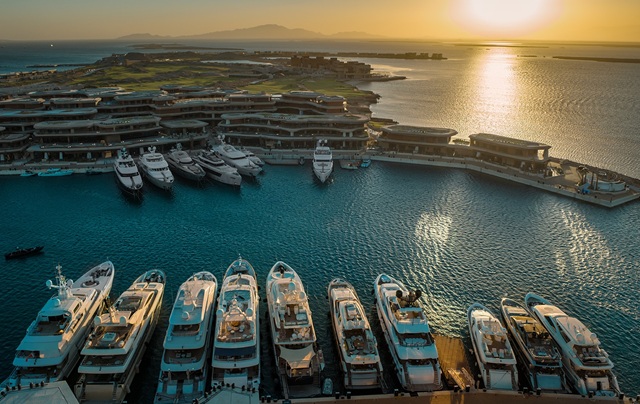
The vision for NEOM is extravagant beyond comprehension. Among its proposed projects are a ski resort in the desert, a floating industrial complex, an island retreat with glowing marble beaches, and even an underwater, upside-down skyscraper accessible only by submarine. At its core is “The Line,” an audacious plan for a 106-mile-long linear city, composed of two parallel skyscrapers stretching across the desert, intended to house nine million people. The Saudi government claims that this city will be fully sustainable, running on renewable energy and producing zero emissions, but critics argue that these promises are as fantastical as the city itself.
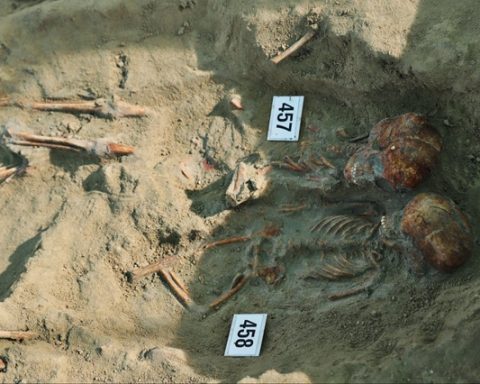
Despite its futuristic branding, NEOM’s construction is rooted in a medieval system of labor exploitation. The workforce of 140,000 migrant workers—mostly from Nepal, India, Pakistan, and Bangladesh—arrives in Saudi Arabia under the notorious Kafala system, which effectively binds them to their employers. These workers, lured by promises of good wages, often find themselves trapped in debt, with their passports confiscated and their rights stripped away. Unable to leave, they endure grueling 18-hour shifts under the scorching desert sun, with little access to medical care, proper nutrition, or humane living conditions. When they die—whether from heat exhaustion, malnutrition, or on-site accidents—their deaths are rarely documented, their bodies often sent home in silence.
“I drive everybody like a slave,” a former NEOM executive reportedly boasted, describing the ruthless pace at which workers are pushed to their physical limits. “When they drop down dead, I celebrate.” The project has not only claimed thousands of lives but has also displaced entire communities. The Howeitat tribe, which had lived in the area for centuries, was forcibly evicted to make way for construction. Those who resisted were met with violence—at least five were killed by security forces, and dozens more were imprisoned.
The scale of death and suffering behind NEOM raises urgent ethical questions about the true cost of this so-called marvel of the future. The Saudi monarchy, eager to present itself as a beacon of progress, is instead overseeing one of the greatest human rights violations in modern history. While MBS and his inner circle court foreign investors and promise a technological paradise, the project remains a graveyard for thousands of nameless workers—disposable lives sacrificed for a billionaire’s fantasy.
Even if NEOM is ever completed, its legacy may not be one of innovation but of brutality. The world’s largest construction site is also its deadliest, a glaring monument to unchecked power and capitalist excess. No amount of glossy marketing can hide the reality that this so-called utopia is being built on the graves of the forgotten.