In August 2024, after 15 years of rule, Bangladesh’s Sheikh Hasina and her Awami League government marked a new chapter in the country’s political landscape and diplomacy. Hasina, who had been closely allied with India, has since gone into exile, leading to a cooling of this relationship. Meanwhile, Bangladesh’s previously strained relationship with Pakistan, which had worsened over the past 15 years, has started to improve. This shift has sparked mixed reactions, as the memory of the 1971 Liberation War and the genocide committed by then-West Pakistan against then-East Pakistan continues to influence public opinion. Some welcome the renewed ties, while others oppose the development.
In the past six months, Nobel laureate Muhammad Yunus, the chief advisor of the interim government, has met with Pakistani Prime Minister Shahbaz Sharif twice, while he has yet to meet face-to-face with Indian Prime Minister Narendra Modi. Additionally, Pakistani diplomats in Dhaka have been particularly active following the political transition. Cultural exchanges have also flourished. In December, renowned Pakistani qawwali singer Rahat Fateh Ali Khan performed twice in Dhaka to packed audiences. Furthermore, in November and December, two cargo ships carrying commodities arrived at Chittagong port – the first such arrivals since the 1971 war. During Hasina’s tenure, Bangladesh leaned heavily towards India, aligning its foreign policy with New Delhi’s interests. The relationship was marked by extensive trade, infrastructure development, and security collaboration.
Although for the past two years, anti-India sentiment has grown rapidly among the civilians of Bangladesh. Bangladesh, to begin with, has two sections in its politics. One section is somewhat pro-India and anti-Pakistan, represented mostly by the likes of Sheikh Hasina and the Awami League faction, loyalists of Sheikh Mujibur Rahman’s belief that Bangladesh should not walk the same path as Pakistan. The second faction is the anti-India and pro-Pakistan variety, who harbor a sentiment that Bangladesh might have been better off as part of Pakistan. However, these individuals tend not to say this openly, as doing so could lead to severe repercussions (look at how Bangladeshis executed razakars less than a decade ago). Thus, they often portray themselves as just anti-India. Critics of this relationship with Pakistan focus on historical grievances, especially Pakistan’s refusal to formally apologize for the 1971 war atrocities. Tensions were further exacerbated by Bangladesh’s war crimes tribunal, which prosecuted individuals for crimes committed during the war.
Pakistan strongly opposed the execution of Jamaat-e-Islami leader Motiur Rahman Nizami in 2016, calling the trials politically motivated. This led to formal protests and heightened diplomatic tensions. Since the political transition last year, trade has become a key focus of development between the two countries. However, bilateral trade remains imbalanced, favoring Pakistan. Notably, between August and December 2024, bilateral trade increased by an estimated 27%, with both nations exploring ways to diversify trade into areas such as construction materials, food products, pharmaceuticals, and information technology. Pakistan aims to increase annual trade with Bangladesh to more than four times the current level within a year. For years, Pakistanis faced significant challenges in obtaining Bangladeshi visas, as strict security clearances from multiple state agencies made travel practically impossible.
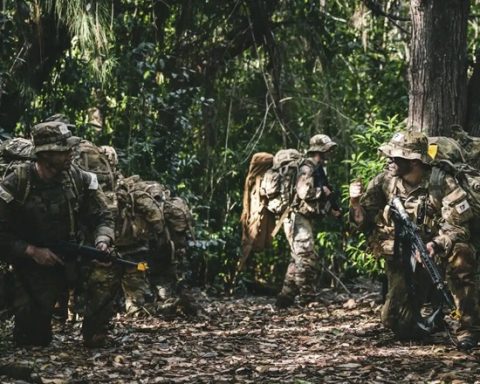
However, Bangladesh’s interim government has lifted these restrictions, while Pakistan has responded by waiving visa fees and security clearance requirements for Bangladeshi travelers. Moreover, both countries are working to increase education collaboration. In December, the government of Pakistan decided to offer 300 fully funded scholarships in various disciplines at leading universities to students from Bangladesh. In addition to economic, cultural, and educational ties, defense cooperation between Bangladesh and Pakistan has seen significant developments since the political transition. Recently, senior military officials from both nations convened in Rawalpindi to discuss regional security dynamics and opportunities for joint military exercises, training programs, and arms trade. Pakistan’s military described the two nations as “brotherly countries,” signaling a potential to reshape South Asia’s security landscape.
According to some reports, one notable development has been Bangladesh’s interest in acquiring JF-17 Thunder fighter jets from Pakistan. These jets, jointly developed by Pakistan and China, align with Bangladesh’s ongoing modernization efforts under its “Forces Goal 2030” program, aimed at upgrading the country’s military assets. But such a defense relationship is likely to impact South Asian geopolitics, particularly given India’s historical influence over Bangladesh’s defense and foreign policy. The closer ties between Dhaka and Islamabad are already a concern to India, which views Pakistan as a long-standing rival.
Furthermore, China’s role as a strategic partner to both Bangladesh and Pakistan adds another layer of complexity, as Beijing’s involvement in arms transfers and infrastructure development could strengthen this trilateral axis. These developments may alter the regional balance of power, compelling India to reassess its own diplomatic and military strategies in South Asia. The interim government in Bangladesh has simplified the visa process for Pakistanis to further strengthen trade and economic relations. The present government had removed the need for clearance from Dhaka for Pakistani heads of missions while issuing visas. Bangladesh’s High Commissioner to Pakistan, Iqbal Hussain, mentioned this simplification to the business committee in Lahore at the Lahore Chamber of Commerce and Industry (LCCI) in January, noting the importance of increasing trade and investment between the two countries.
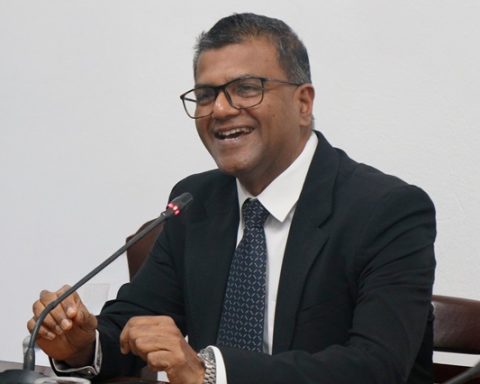
Bangladesh Chief Advisor Mohammad Yunus is eager to improve relations with Pakistan, which have been less than satisfactory over the past decade. He noted that Bangladesh, with its population of 180 million, represents a significant consumer market that Pakistan has the potential to tap. Yunus also mentioned that the trade potential between the two countries remains largely untapped and Pakistan can capitalize on it. He highlighted the chief advisor’s efforts for regional cooperation and called for greater collaboration between South Asian countries.
In conclusion, Yunus stressed the importance of revitalizing the South Asian Association for Regional Cooperation (SAARC) to enhance regional trade and cooperation. Despite growing regional cooperation globally, South Asia still faces challenges which require collective efforts to overcome. The High Commissioner emphasized that it is the responsibility of both countries to create opportunities for the current generation and remove obstacles to mutual trade and cooperation.