Qatar is making bold moves to transform Doha into a regional hub for venture capital (VC), using its vast sovereign wealth fund to attract global financiers. According to a recent Financial Times (FT) report, the Qatar Investment Authority (QIA), which manages an estimated $500 billion in assets, has already allocated nearly half of a $1 billion fund-of-funds initiative aimed at nurturing Qatar’s emerging start-up ecosystem.
Traditionally known for its high-profile international investments—ranging from London’s Harrods to Heathrow Airport—the QIA is now turning its attention inward. This strategic pivot aligns with a broader trend among Gulf states, where hydrocarbon-rich monarchies are using their financial muscle to diversify economies, reduce reliance on fossil fuels, and build knowledge-based industries.
Speaking to the Financial Times, Mohsin Pirzada, the head of funds at QIA, emphasized the competitive yet “healthy” race among Gulf nations to attract fund managers. While the majority of QIA’s investments will continue to flow internationally, the fund now seeks partners who are willing to invest directly in Qatar and contribute to its economic diversification efforts. Pirzada highlighted the deeper level of engagement required from investment partners to help foster local innovation and entrepreneurship.
Qatar’s move follows similar initiatives by regional rivals. Saudi Arabia’s Public Investment Fund (PIF), for instance, has successfully lured global asset management giant BlackRock to establish a $5 billion investment venture in Riyadh. Meanwhile, Abu Dhabi, branding itself as the “capital of capital,” has used its sovereign wealth, including the Abu Dhabi Investment Authority (ADIA), to attract global hedge funds and asset managers such as Brevan Howard and PGIM.
In line with these competitive efforts, the QIA has struck partnerships with several prominent venture capital firms. Notably, it has backed six VC firms, including San Francisco-based Builders VC and B Capital, co-founded by Facebook’s Eduardo Saverin. Two of these firms have already opened offices in Doha, with the remaining four in the process of establishing a presence.
Beyond venture capital, the QIA is also encouraging private equity-backed companies to consider expanding into Qatar. Pirzada mentioned that portfolio companies of global investment giants like Blackstone, KKR, and Carlyle could find fertile ground for growth in Doha. The QIA plans to offer attractive incentives to these companies, positioning Qatar as a gateway for expansion into the broader Middle Eastern market.
This VC-focused initiative stems from a two-year study led by the Qatari Prime Minister’s office, which examined how Qatar could strengthen its regional standing and support entrepreneurial ventures. Firms receiving QIA backing are expected to contribute to the local ecosystem—whether by setting up offices, launching dedicated funds, or creating training programs and incubators for local entrepreneurs.
Pirzada emphasized that the QIA seeks genuine commitment from its investment partners. While there are no strict requirements on how much firms must invest locally, the QIA is selective, having narrowed down 14 firms from an initial pool of 120 applicants. One notable rejection was a fund manager planning to commute between Texas and Doha—an arrangement Pirzada felt lacked serious commitment.
Despite being one of the wealthiest countries per capita and gaining global attention as the host of the 2022 FIFA World Cup, Qatar has struggled to capitalize on this momentum in diversifying its economy. The new venture capital initiative is part of a broader strategy to change that narrative, aiming to foster a vibrant innovation ecosystem that could lead to long-term economic resilience.
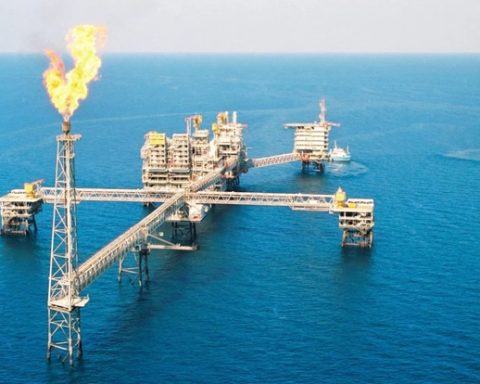
As Qatar prepares to boost its energy production by nearly 85% by the end of the decade, global asset managers are increasingly eyeing the QIA for opportunities. However, Pirzada noted that the timeline for when these energy-driven inflows will reach the fund remains uncertain.